
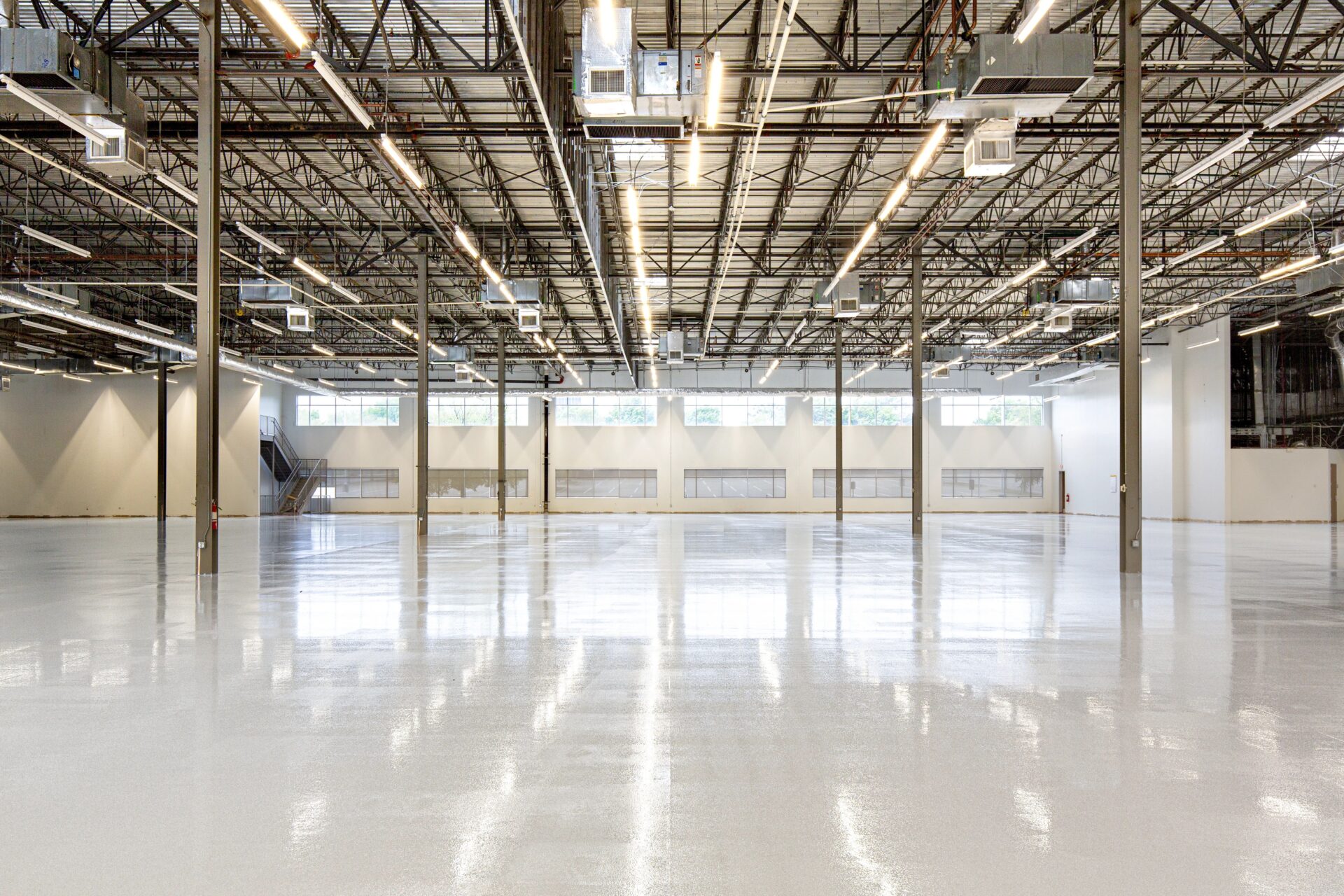
Your warehouse floor takes a beating every single day. Forklifts roll across it, pallets scrape against it, chemicals drip onto it, and heavy foot traffic wears it down shift after shift. Over time, even the most durable concrete starts showing signs of fatigue. When that happens, the floor is no longer just an eyesore. It becomes a safety hazard, a source of contamination, and a drain on your operating budget.
A quality warehouse floor coating protects the concrete underneath, reduces maintenance costs, and keeps your team safe. Epoxy and resinous flooring systems are the industry standard for warehouses, distribution centers, and manufacturing plants because they resist impacts, chemicals, abrasion, and moisture. But coatings do not last forever. Knowing when your floor needs attention can save you from costly repairs, OSHA citations, and operational shutdowns.
Here is a practical breakdown of the warning signs that your warehouse floor coating has reached the end of its service life, along with what you can do about it.
What Does a Failing Warehouse Floor Coating Look Like?
Floor coating failure does not happen overnight. It starts with small imperfections that grow into bigger problems if you ignore them. The most common early sign is peeling or delamination, where the coating lifts away from the concrete surface in sheets or bubbles. This usually means the original surface preparation was inadequate, or moisture has migrated up through the slab.
Cracking is another red flag. Hairline cracks in the coating can allow water, oils, and chemicals to seep down to the concrete, accelerating deterioration from the inside out. If you notice spiderweb patterns or long fissures running along high-traffic lanes, your coating is failing structurally. According to the Portland Cement Association, untreated cracks in industrial concrete can grow up to 50% wider within a single year due to thermal expansion and mechanical stress.
Discoloration and staining that will not clean up also point to coating breakdown. When a floor coating is intact, spills sit on the surface and wipe away. Once the coating is compromised, liquids penetrate the material and leave permanent marks. If your cleaning crew is spending more time scrubbing floors than they used to, that is a telling sign.
Why Does a Worn Floor Coating Create Safety Risks?
A damaged floor coating is more than a cosmetic issue. It is a liability. Peeling coatings create uneven surfaces that catch forklift wheels and trip workers on foot. Exposed concrete generates dust, which can contaminate products and irritate respiratory systems. In food processing or pharmaceutical warehouses, concrete dust is a compliance violation waiting to happen.
Slippery surfaces are another serious concern. As epoxy coatings wear thin, they lose the anti-slip texture that was applied during installation. Wet conditions from cleaning, condensation, or spills turn a worn floor into a skating rink. OSHA’s General Duty Clause requires employers to maintain safe walking and working surfaces, and a deteriorated floor coating can put you on the wrong side of an inspection.
Chemical exposure adds another layer of risk. Warehouses that store or handle solvents, fuels, cleaning agents, or acids rely on floor coatings as a chemical barrier. Once that barrier breaks down, the concrete absorbs those substances. Concrete is porous by nature, so contamination spreads quickly and becomes extremely difficult to remediate.
How Does Warehouse Floor Damage Affect Your Bottom Line?
Worn floor coatings cost you money in ways you may not immediately notice. Equipment damage is one of the biggest hidden expenses. Forklifts and pallet jacks rolling over cracked, uneven surfaces experience more vibration and mechanical wear. Tires wear out faster. Loads shift and get damaged in transit across the floor. Over a year, these small losses add up to thousands of dollars.
Cleaning costs rise as well. A sealed, intact floor coating is easy to maintain with a basic sweep and mop routine. A deteriorating floor requires industrial scrubbing, patching, and repeated spot treatments. Maintenance teams spend more hours on the floor and use more cleaning products. That labor and material cost compounds month after month.
Then there is the cost of downtime. If your floor coating fails to the point where a full section needs emergency repair, you may need to shut down part of your operation while the work gets done. Planned recoating, on the other hand, can be scheduled during off-hours or slow periods to keep your business running without interruption.
What Types of Floor Coatings Work Best for Warehouses?
Not all floor coatings perform the same in a warehouse environment. Epoxy floor coatings are the most popular choice for good reason. They bond directly to concrete, creating a hard, chemical-resistant surface that handles heavy loads and constant traffic. Epoxy works well in general storage warehouses, retail distribution centers, and manufacturing facilities.
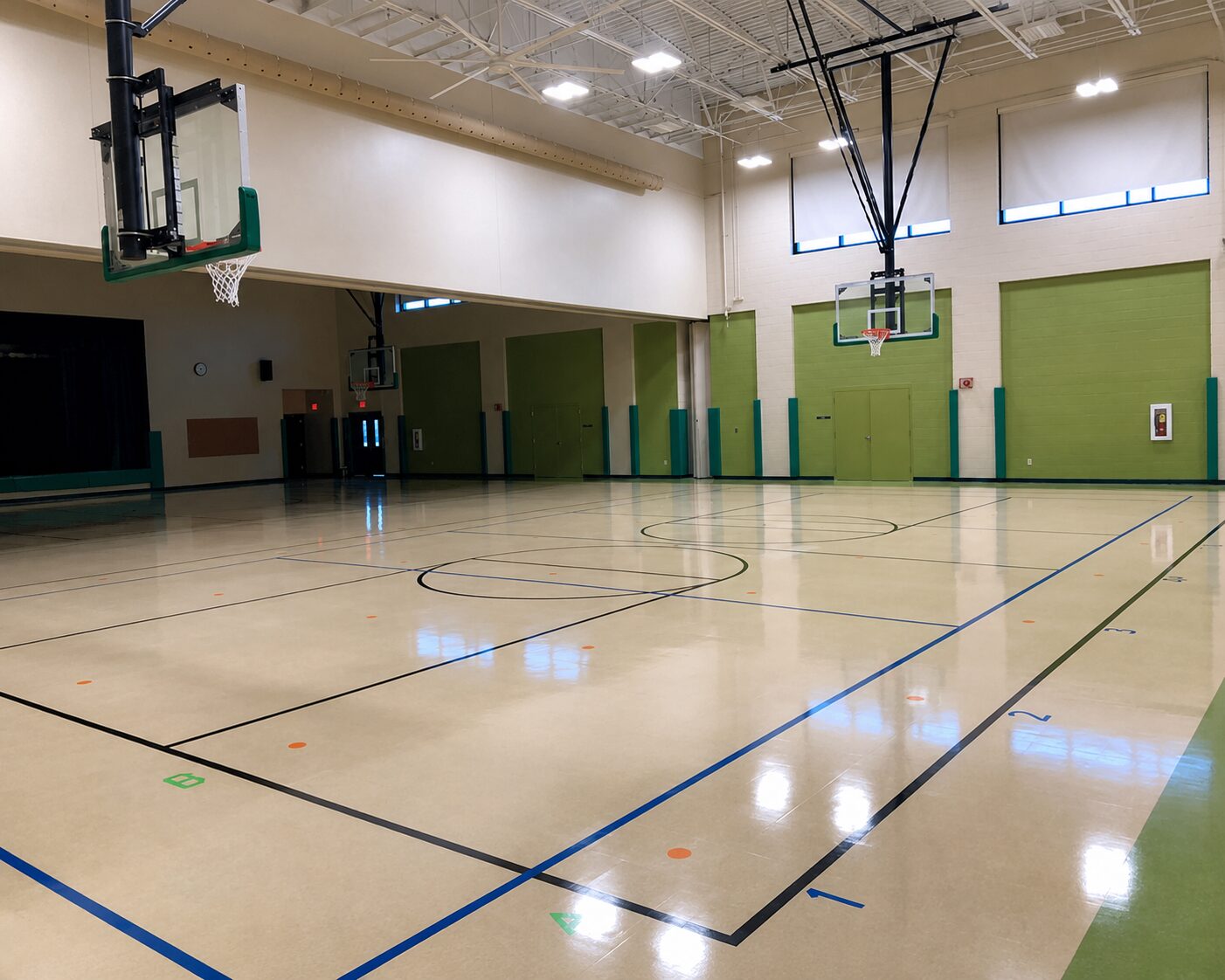
For areas with extreme chemical exposure or thermal cycling, urethane coatings offer superior flexibility. Urethane resists UV degradation and stays flexible at lower temperatures, making it a strong choice for cold storage environments or outdoor loading docks. Many facilities combine an epoxy base coat with a urethane top coat for the best of both worlds.
Resinous flooring systems go a step further by incorporating multiple layers of high-performance materials into one integrated system. At Southeast Painters, we install resinous flooring systems designed for the toughest commercial and industrial environments. These systems provide long-lasting protection against impacts, abrasions, stains, chemicals, and moisture, all while offering customizable finishes that include anti-slip textures and color-coded safety zones.
How Should You Prepare for a Warehouse Floor Recoating Project?
The single most important factor in a successful floor coating project is surface preparation. A new coating will only bond as well as the surface beneath it allows. That means the old coating, along with any contaminants like oil, grease, or adhesive residue, must be completely removed before application.
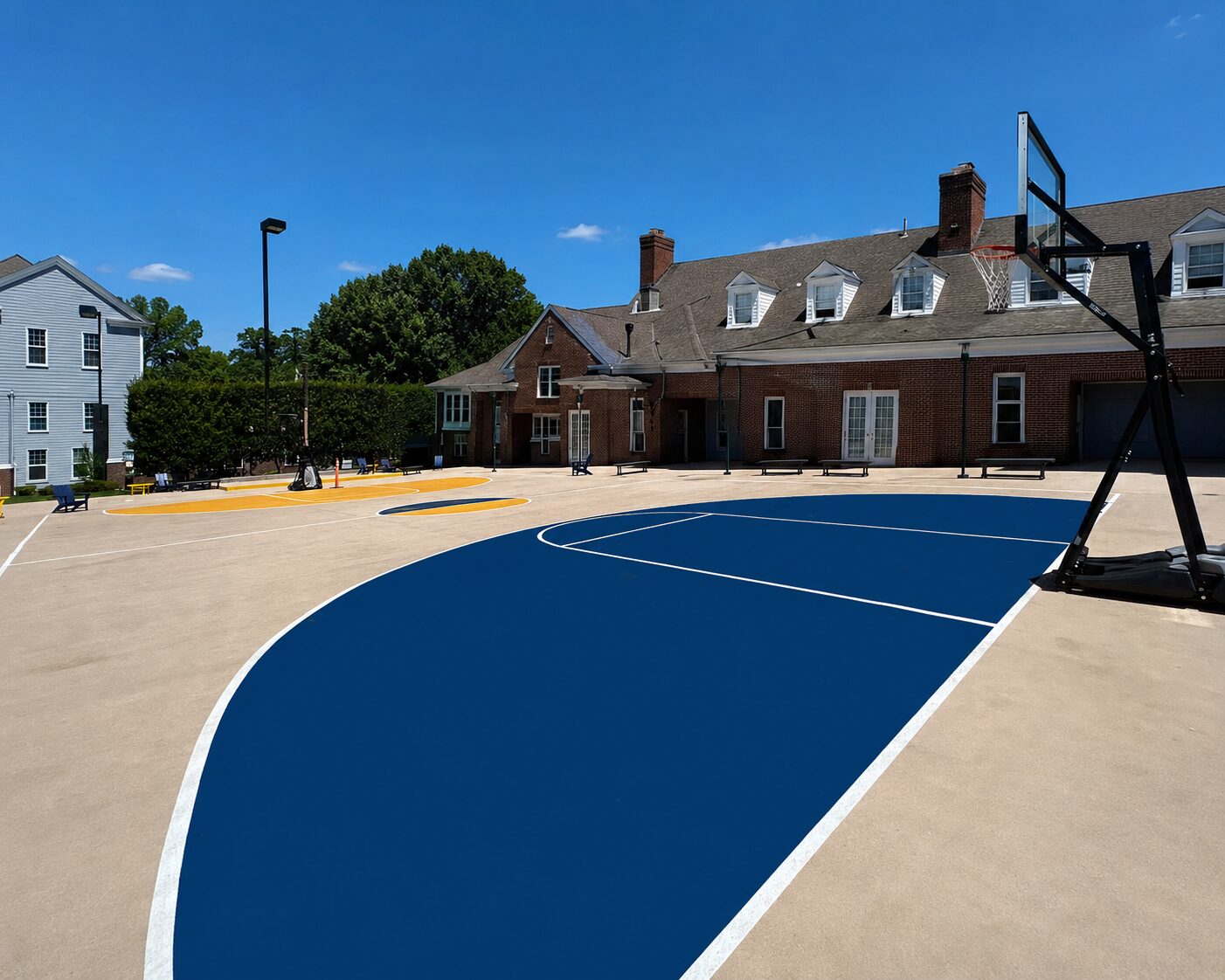
Professional abrasive blasting and diamond grinding open up the pores in the concrete, giving the new coating a strong mechanical bond. Skipping this step is the number one reason floor coatings fail prematurely. Southeast Painters specializes in surface preparation, including sandblasting and ecoblasting, which uses water mixed with recycled glass media to remove old coatings without generating harmful dust. This approach is safer for your workers and better for the environment.
Planning ahead matters too. Talk to your coating contractor about scheduling the work during a slow season or over a long weekend. A well-managed project can recoat large sections of a warehouse floor without bringing your operations to a halt. At Southeast Painters, we offer flexible scheduling that includes after-hours and weekend work so your business keeps moving.
Frequently Asked Questions About Warehouse Floor Coatings
How long does a warehouse floor coating last?
A properly installed epoxy or resinous floor coating lasts between 5 and 10 years in a high-traffic warehouse, depending on the type of coating, the quality of surface preparation, and the level of daily wear. Facilities with lighter use may see coatings last well beyond a decade.
Can you apply a new coating over an existing one?
In some cases, yes. If the existing coating is still well-bonded and in reasonable condition, a new layer can be applied after proper cleaning and light abrasion. If the old coating is peeling, flaking, or contaminated, it needs to be fully removed before recoating. A professional assessment is the best way to determine the right approach.
How much does it cost to recoat a warehouse floor?
Costs vary based on the size of the floor, the type of coating system, the condition of the existing surface, and the level of preparation required. Industrial epoxy coatings for warehouses generally range from $3 to $12 per square foot installed. Contact Southeast Painters for a free estimate specific to your facility at (423) 558-3842.
How long does the floor need to cure before we can use it?
Most epoxy floor coatings allow light foot traffic within 24 hours and full vehicle traffic within 72 hours. Cure times depend on the specific product, temperature, and humidity levels during application. Your coating contractor will provide a detailed timeline so you can plan operations around the project.
What makes epoxy different from resinous flooring?
Epoxy is one type of resinous flooring. The term “resinous flooring” covers a broader category that includes epoxy, polyurethane, polyaspartic, and MMA (methyl methacrylate) systems. Each has different performance characteristics. Epoxy excels in chemical resistance and hardness, while urethane systems offer more flexibility and UV stability. A qualified contractor can recommend the right system for your specific warehouse conditions.
When Should You Call a Warehouse Floor Coating Professional?
If you are noticing peeling, cracking, discoloration, increased dust, slippery surfaces, or rising maintenance costs, your warehouse floor coating is telling you something. Waiting only makes the problem worse and more expensive to fix.
Southeast Painters has been installing commercial and industrial floor coatings across the Southeast for over 30 years. From epoxy systems and resinous flooring to full surface preparation with sandblasting and ecoblasting, we handle every phase of the project so you get a floor that performs and lasts. Our team works with Sherwin-Williams products to deliver premium results on every job.
Schedule a free estimate today by calling (423) 558-3842 or emailing info@southeastpainters.com. You can also visit us online at southeastpainters.com or stop by our office at 3535 St. Elmo Avenue, Chattanooga, TN 37409.
