
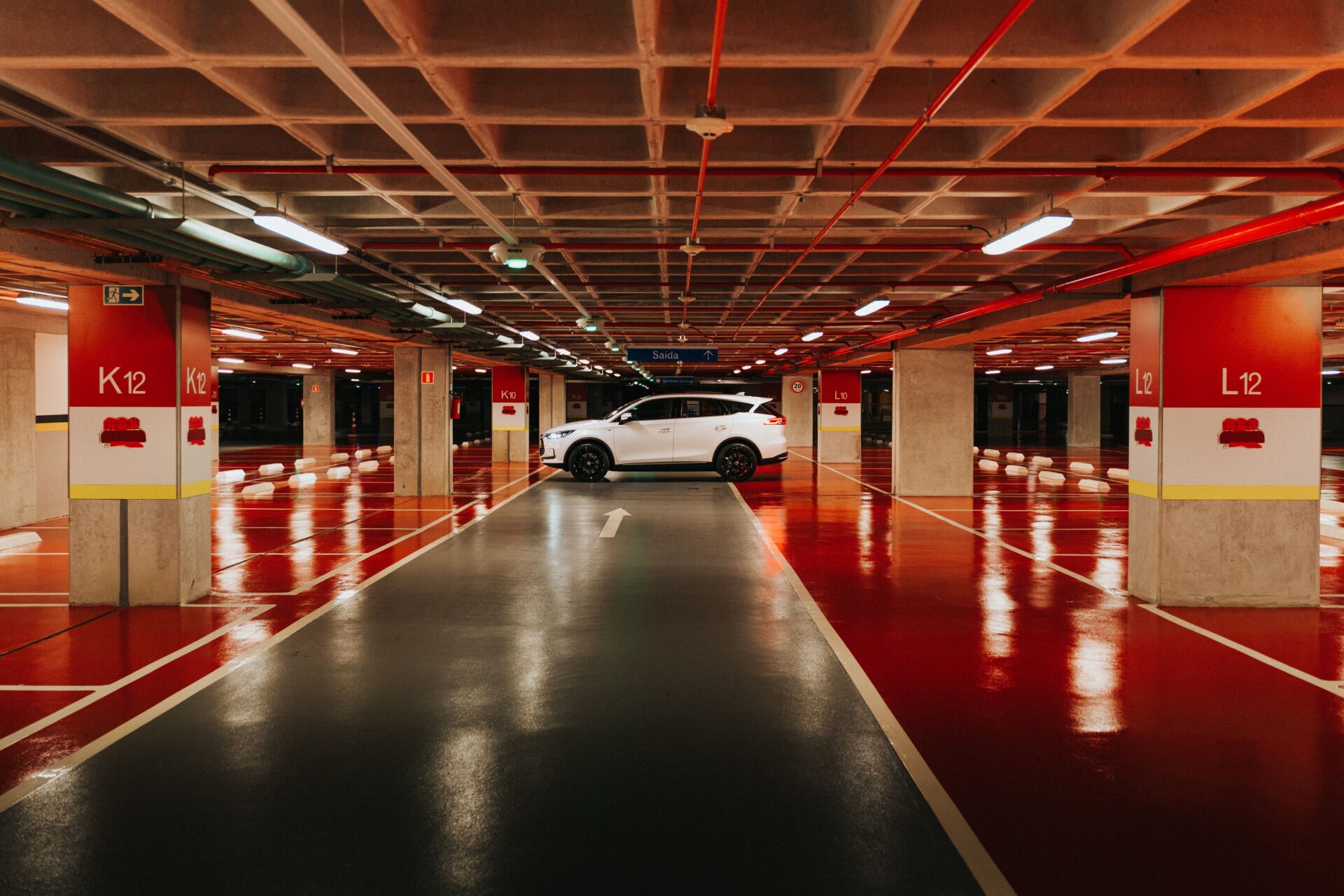
A parking garage takes punishment that most building owners never think about. Thousands of vehicles roll across its decks every week. Tires grind against the concrete. Rainwater, road salt, oil drips, and antifreeze seep into every crack and joint. Over time, that constant exposure breaks down unprotected concrete, leads to expensive structural repairs, and creates safety hazards for tenants and visitors. A parking garage traffic coating is the single most effective way to protect those surfaces, extend the life of your structure, and reduce long-term maintenance costs.
If you manage or own a commercial parking structure anywhere in the Southeast, understanding when and why to invest in a traffic coating system can save you hundreds of thousands of dollars over the life of your garage. This guide breaks down what parking garage traffic coating actually is, how to tell when your structure needs one, what types of systems are available, and what professional installation looks like from start to finish.
What Is a Parking Garage Traffic Coating?
A parking garage traffic coating is a high-performance, polymer-based membrane applied directly to the concrete deck surface. Unlike a simple sealer or paint, a traffic coating forms a continuous, waterproof barrier that protects the concrete slab from moisture infiltration, chemical exposure, abrasion from vehicular traffic, and the freeze-thaw cycles common throughout Tennessee, Georgia, and Alabama.
Most traffic coating systems consist of two primary layers. The base coat provides waterproofing and crack-bridging capability. The top coat adds UV stability, slip resistance, and a wear surface that stands up to daily tire traffic. Together, these layers create a seamless membrane that keeps water, chlorides, and contaminants from reaching the concrete and the reinforcing steel embedded within it.
According to industry data, a properly installed parking garage traffic coating system typically lasts between 5 and 10 years before needing a maintenance re-coat, depending on traffic volume and climate conditions. Without that protection, concrete repair costs can run 10 to 20 times higher than the cost of a full traffic coating installation.
How Do You Know Your Parking Garage Needs a Traffic Coating?
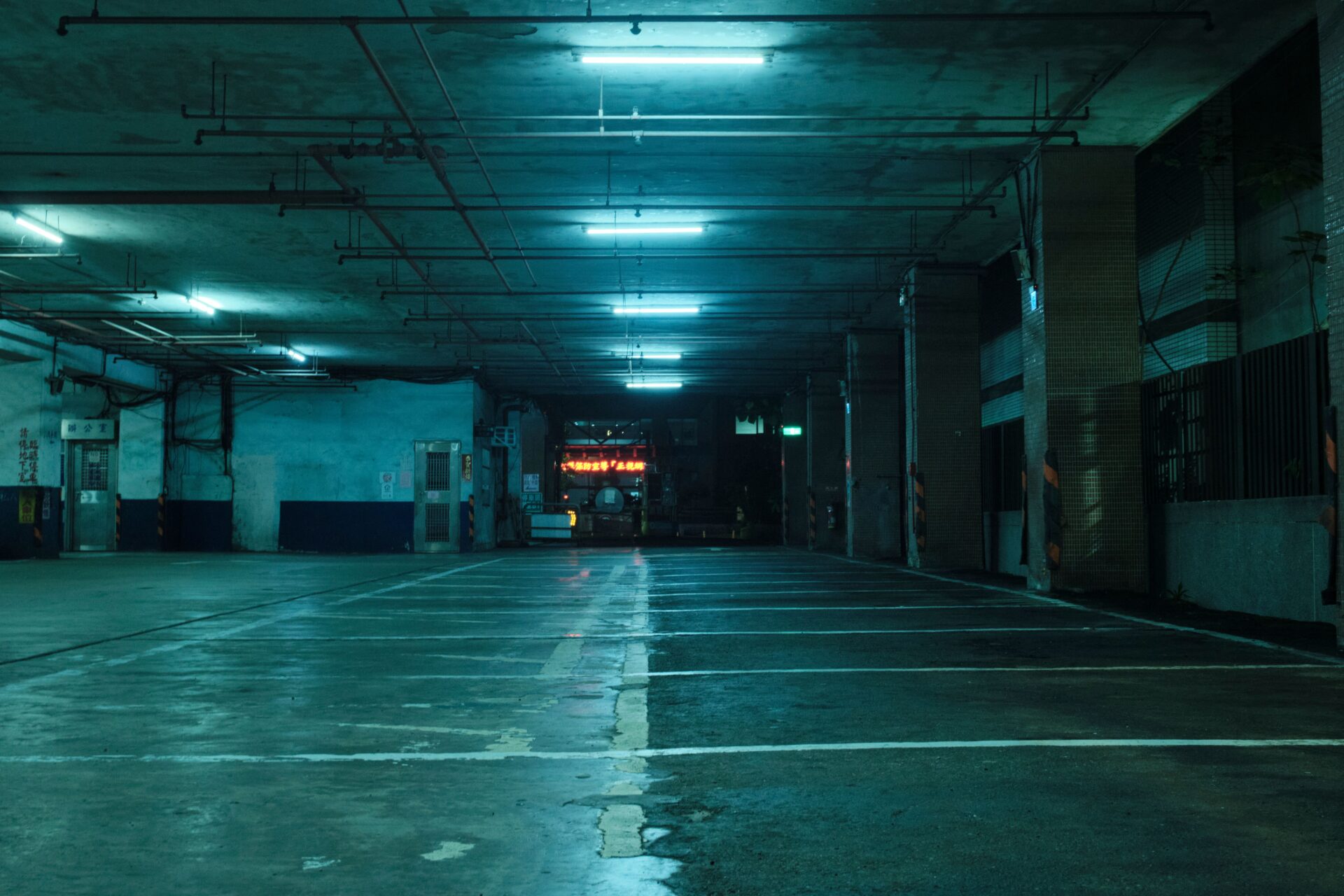
Many parking structure owners wait too long to address their decks, and by the time they call for an estimate, a simple coating project has turned into a major structural rehabilitation. Here are the warning signs that your garage needs attention now.
Is Water Getting Through the Deck?
Water stains on the underside of the concrete deck are the clearest sign that moisture is penetrating the slab. If you walk the lower levels of your garage and see white mineral deposits (efflorescence), active dripping, or rust stains tracking from cracks, water is reaching the reinforcing steel. That is the beginning of structural deterioration, and a parking garage traffic coating is the direct answer.
Are Cracks Spreading Across the Surface?
Concrete cracks. That is not unusual. But when cracks widen over time, branch into spiderweb patterns, or begin to show rust-colored staining, they are allowing water and deicing chemicals to penetrate the slab. A traffic coating system bridges hairline cracks and prevents new moisture from entering. The longer you wait, the more those cracks compromise the structural integrity of the deck.
Is the Surface Worn, Slippery, or Stained?
A deck that has turned slick in wet weather, shows heavy tire wear patterns, or is deeply stained from oil and chemical drips is a deck that has lost its protective surface. That worn-out finish is not just an appearance issue. Slip-and-fall liability is a real concern for property managers, and a fresh traffic coating with anti-slip aggregate brings the surface back to a safe, code-compliant condition.
Has It Been More Than 5 to 7 Years Since the Last Coating?
Even if your garage looks acceptable on the surface, most polyurethane-based traffic coating systems are designed for a 5- to 10-year service life. If it has been more than 5 to 7 years since the last application, it is time to have the deck inspected and evaluated for a maintenance recoat. Catching wear before it becomes failure is always less expensive.
What Types of Parking Garage Traffic Coating Systems Are Available?
Not every parking structure needs the same system. The right choice depends on the garage type, traffic volume, exposure conditions, and budget. Here is what facility managers and property owners need to know about the most common options.
Polyurethane Traffic Coatings
Polyurethane systems are the most widely specified parking garage traffic coating in the commercial market. They offer excellent UV stability, flexibility, and crack-bridging performance. The elastomeric properties allow the membrane to expand and contract with the concrete slab through temperature swings, which is critical in the Southeast where summer heat and winter freezes create constant thermal movement. These systems typically last 5 to 10 years with proper maintenance.
Epoxy Traffic Coatings
Epoxy-based systems provide outstanding adhesion, chemical resistance, and abrasion resistance. They work well on lower-level decks and enclosed structures where UV exposure is minimal. Because epoxy is a rigid system, it performs best on slabs with limited structural movement. Many facility managers pair an epoxy base with a urethane top coat to get the chemical resistance of epoxy and the flexibility and UV protection of urethane. Southeast Painters applies high-performance epoxy and urethane coating systems across a wide range of commercial and industrial facilities throughout the region.
Cementitious Overlays
Cement-based overlays are a cost-effective option for garages that need waterproofing and surface restoration without the full elastomeric properties of a polyurethane membrane. These systems typically last 3 to 5 years and are a practical choice for garages with moderate traffic and limited structural movement.
Why Does Surface Preparation Matter So Much for Parking Garage Traffic Coating?
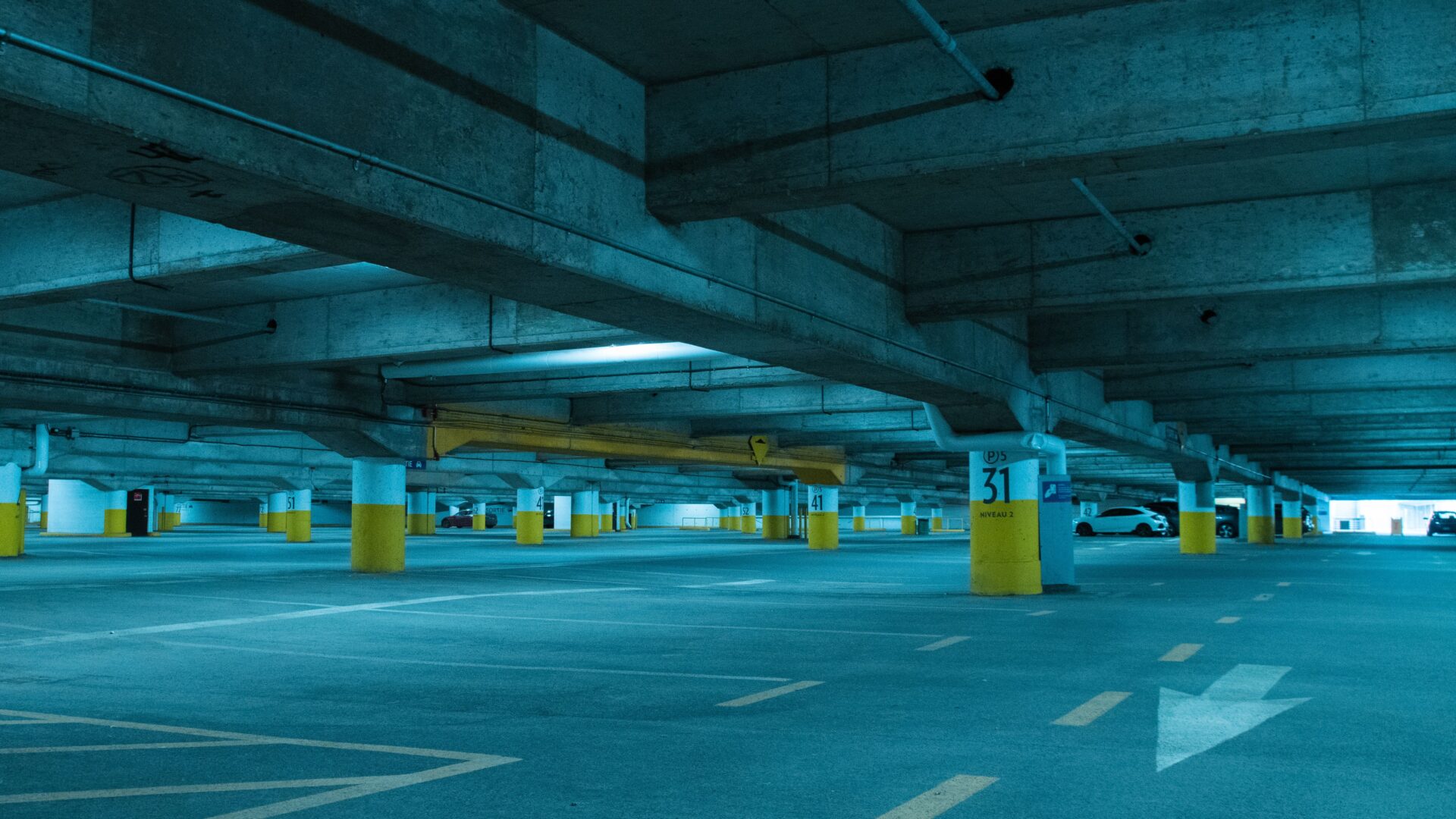
Every traffic coating system, regardless of the chemistry, is only as good as its bond to the concrete. If the surface is not properly prepared, the coating will peel, blister, or delaminate within a few years, and the owner ends up paying for the job twice.
Professional surface preparation for a parking garage traffic coating typically involves shot blasting or diamond grinding to create a clean, profiled concrete surface. This removes old coatings, sealers, contaminants, and laitance so the new system can bond directly to sound concrete. Any cracks or spalls in the deck need to be repaired before the coating goes down. At Southeast Painters, surface preparation is the step where we invest the most time because it determines how long the finished system will perform.
Industry data confirms the stakes: systems installed without proper surface preparation often fail within 3 to 7 years, while the same product applied over a correctly profiled surface can last 15 years or more.
What Should You Expect During Professional Installation?
Hiring an experienced commercial coating contractor is critical for a parking garage traffic coating project. Here is what the process typically involves.
The project starts with a thorough inspection of the deck. The contractor evaluates the condition of the concrete, identifies cracks and spalls, tests for moisture levels, and determines the appropriate system for your structure and traffic load.
Next comes surface preparation. Shot blasting, diamond grinding, or abrasive blasting opens the pore structure of the concrete and creates the mechanical profile needed for a strong bond. All repairs to cracks, joints, and damaged areas happen at this stage.
The coating is then applied in multiple passes. The base coat goes down first, followed by broadcast aggregate for slip resistance where specified, and then the top coat. Each layer needs proper cure time before the next one is applied. A reputable contractor will never rush this process.
Finally, striping, directional arrows, handicap markings, and other traffic markings are reapplied to bring the garage back to full operation. At Southeast Painters, we coordinate this entire process to minimize downtime for your tenants and operations. We work in phases, schedule after-hours and weekend shifts when needed, and keep the garage partially open throughout the project whenever possible.
How Does a Parking Garage Traffic Coating Save You Money?
The upfront cost of a traffic coating system is a fraction of what structural concrete repairs cost when water damage goes unchecked. Unprotected concrete decks in parking structures deteriorate at a rate that compounds over time. Small cracks allow water in. Water corrodes the reinforcing steel. Corroding steel expands and spalls the concrete. And each year that passes without protection, the repair bill grows.
A parking garage traffic coating stops that cycle at the source. It keeps water out, prevents chloride and chemical penetration, provides a durable wear surface, and gives the owner a clear maintenance schedule. You recoat the top coat every 5 to 7 years at a fraction of the original installation cost, and you never have to tear out and replace concrete that was allowed to fail.
For property owners, facility managers, and general contractors across Chattanooga, Tennessee, and the broader Southeast, Southeast Painters has been delivering protective coating solutions for over 30 years. We understand the products, the preparation, and the project management it takes to get a parking garage traffic coating job done right the first time.
Frequently Asked Questions About Parking Garage Traffic Coating
How long does a parking garage traffic coating last?
Most polyurethane-based traffic coating systems last between 5 and 10 years depending on traffic volume, climate exposure, and maintenance practices. With a scheduled maintenance recoat of the top coat, many systems can perform for 15 years or longer before a full re-application is needed.
Can you apply a traffic coating over an existing coating?
In many cases, yes. If the existing coating is well-bonded and in reasonable condition, a new top coat can be applied after proper cleaning and surface preparation. If the existing system is delaminated or failing, it will need to be removed before a new system goes down.
How long does installation take?
The timeline depends on the size of the garage, the extent of concrete repairs needed, and whether the project is phased to keep the garage partially open. A typical mid-sized parking structure can be coated in 2 to 4 weeks when weather and curing conditions cooperate.
What is the difference between a traffic coating and a sealer?
A sealer penetrates into the concrete pores and provides limited protection against moisture. A traffic coating is a multi-layer membrane applied on top of the concrete that provides full waterproofing, crack bridging, chemical resistance, slip resistance, and a durable wear surface. Sealers are a lower-cost option for new concrete, but they do not offer the same level of protection as a traffic coating system.
Does Southeast Painters install parking garage traffic coatings?
Yes. Southeast Painters provides full-service parking garage traffic coating installation, including deck inspection, surface preparation, crack and joint repair, coating application, and traffic striping. We serve Chattanooga, Tennessee and the entire Southeast region. Contact us today for a free estimate.
Protect Your Parking Structure Today
If your parking garage has cracking, water stains, surface wear, or it has been more than five years since the last coating, it is time to take action. Southeast Painters has more than 30 years of experience applying high-performance coatings to commercial and industrial structures across the Southeast. We use premium products, we invest the time in proper surface preparation, and we stand behind our work.
Call us at (423) 558-3842, email us at info@southeastpainters.com, or request your free estimate online. Let us show you why property owners and general contractors across the region trust Southeast Painters to protect their most valuable assets.
Southeast Painters
3535 St. Elmo Avenue, Chattanooga, TN 37409
(423) 558-3842 | info@southeastpainters.com
www.southeastpainters.com
