
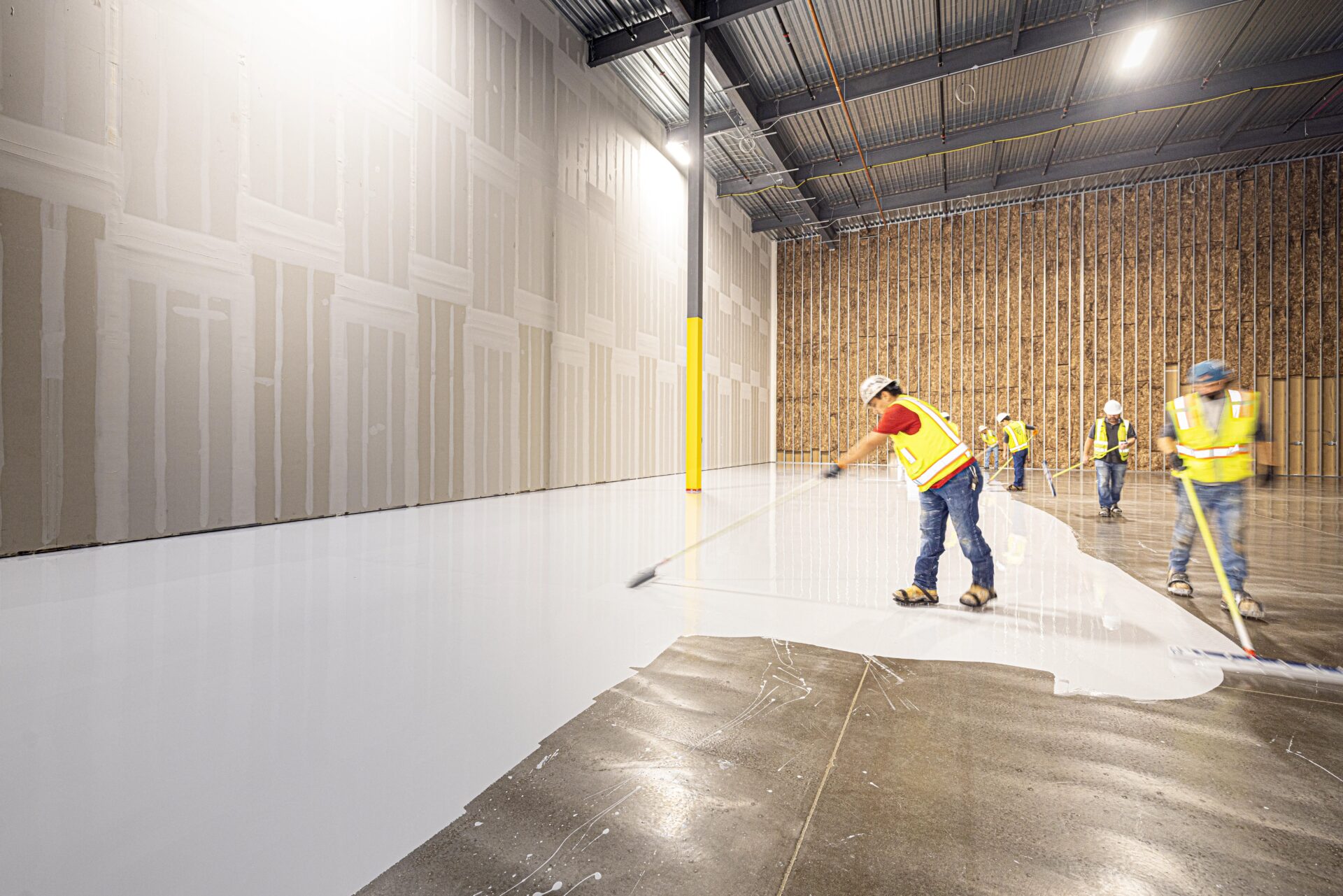
When you invest in a floor coating for your warehouse, manufacturing plant, or distribution center, you want to know how long it will hold up before it needs to be replaced. Industrial floor coating lifespan is one of the most common questions facility managers ask before a project starts, and the answer depends on several factors that are specific to your facility. At Southeast Painters, we have been installing industrial floor coating systems across the Southeast for over 30 years, and we have seen firsthand what separates a system that lasts five years from one that lasts fifteen or more.
What Is the Typical Industrial Floor Coating Lifespan?
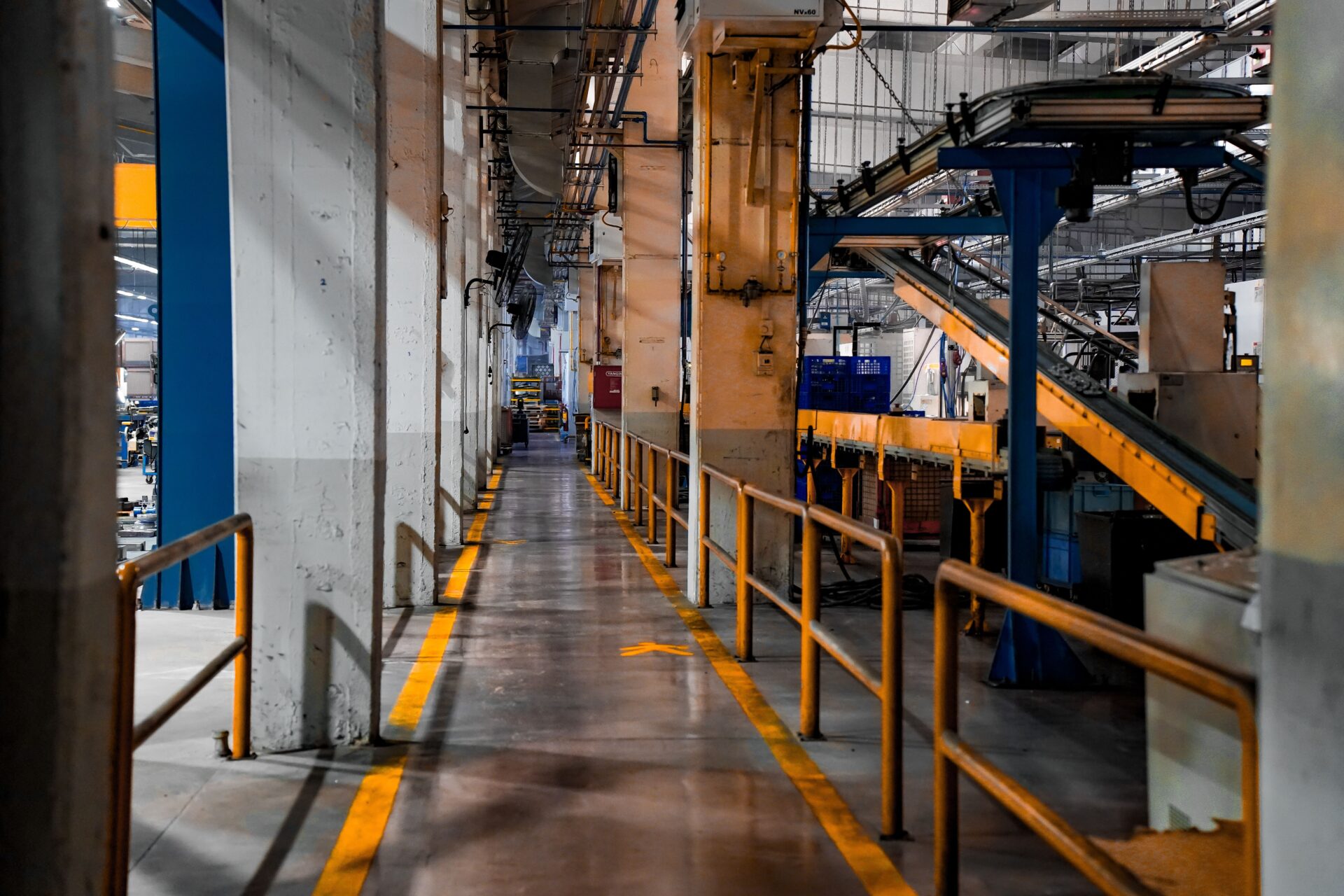
Most professionally installed industrial floor coatings last between 5 and 20 years. That is a wide range, and the number your facility lands on depends on the type of coating system, the quality of surface preparation, the volume and type of traffic on the floor, chemical exposure, and the environment inside the building. A high-performance resinous flooring system installed over a properly prepared substrate in a climate-controlled warehouse will outlast a standard coating on a loading dock that sees forklift traffic and temperature swings every day.
Epoxy floor coatings typically last 10 to 20 years in moderate-traffic commercial settings. Urethane topcoats, which add UV stability and abrasion resistance, can extend that range even further. Polyaspartic and MMA (methyl methacrylate) systems cure faster and offer strong chemical resistance, making them popular in food processing and pharmaceutical facilities where downtime is expensive.
What Factors Shorten Industrial Floor Coating Lifespan?
How Does Traffic Volume Affect Floor Coating Durability?
Heavy forklift traffic is the single biggest factor that wears down an industrial floor coating. Forklifts with hard polyurethane wheels grind against the coating surface with every turn, every stop, and every load pickup. Facilities that run two or three shifts of forklift operations will see coating wear much faster than a warehouse that only handles light foot traffic and the occasional pallet jack. The type of tire matters, too. Cushion tires concentrate weight on a smaller contact patch and cause more surface abrasion than pneumatic tires.
How Do Chemicals and Spills Impact Floor Coatings?
Chemical exposure can break down certain coating systems from the inside out. Acids, solvents, fuels, cleaning agents, and caustic solutions all react differently with different coating chemistries. A standard epoxy floor coating will handle occasional cleaning chemical contact without issue, but a facility that regularly deals with sulfuric acid or industrial solvents needs a coating system specifically formulated for chemical resistance. Choosing the wrong system for your exposure profile is one of the fastest ways to cut an industrial floor coating lifespan short.
Does Temperature Play a Role in Coating Longevity?
Yes. Facilities in the Southeast deal with heat and humidity that can stress floor coatings in ways that buildings in cooler, drier climates do not experience. Concrete substrates expand and contract with temperature changes, and if the coating system cannot flex with those movements, cracking and delamination follow. Facilities with large bay doors that open to the outside, or freezer-to-ambient transitions, put even more thermal stress on floor coatings. A contractor who understands regional conditions will specify a system that handles those stresses without failing prematurely.
How Does Surface Preparation Affect How Long a Floor Coating Lasts?
Surface preparation is the single most important factor in industrial floor coating lifespan. A coating system is only as durable as the bond between the coating and the concrete substrate underneath it. If the concrete is not properly cleaned, profiled, and primed, the coating will lose adhesion and start peeling, bubbling, or delaminating regardless of how high-quality the coating product itself is.
Southeast Painters uses diamond grinding, shot blasting, and sandblasting or ecoblasting to prepare concrete surfaces before any coating goes down. These methods create the mechanical profile that allows the coating to grip the substrate. We also address moisture issues, existing coating removal, crack repair, and contamination before the first coat of primer is applied. Skipping or rushing this step is the most common reason floor coatings fail ahead of schedule.
Which Coating Systems Last the Longest in Industrial Facilities?
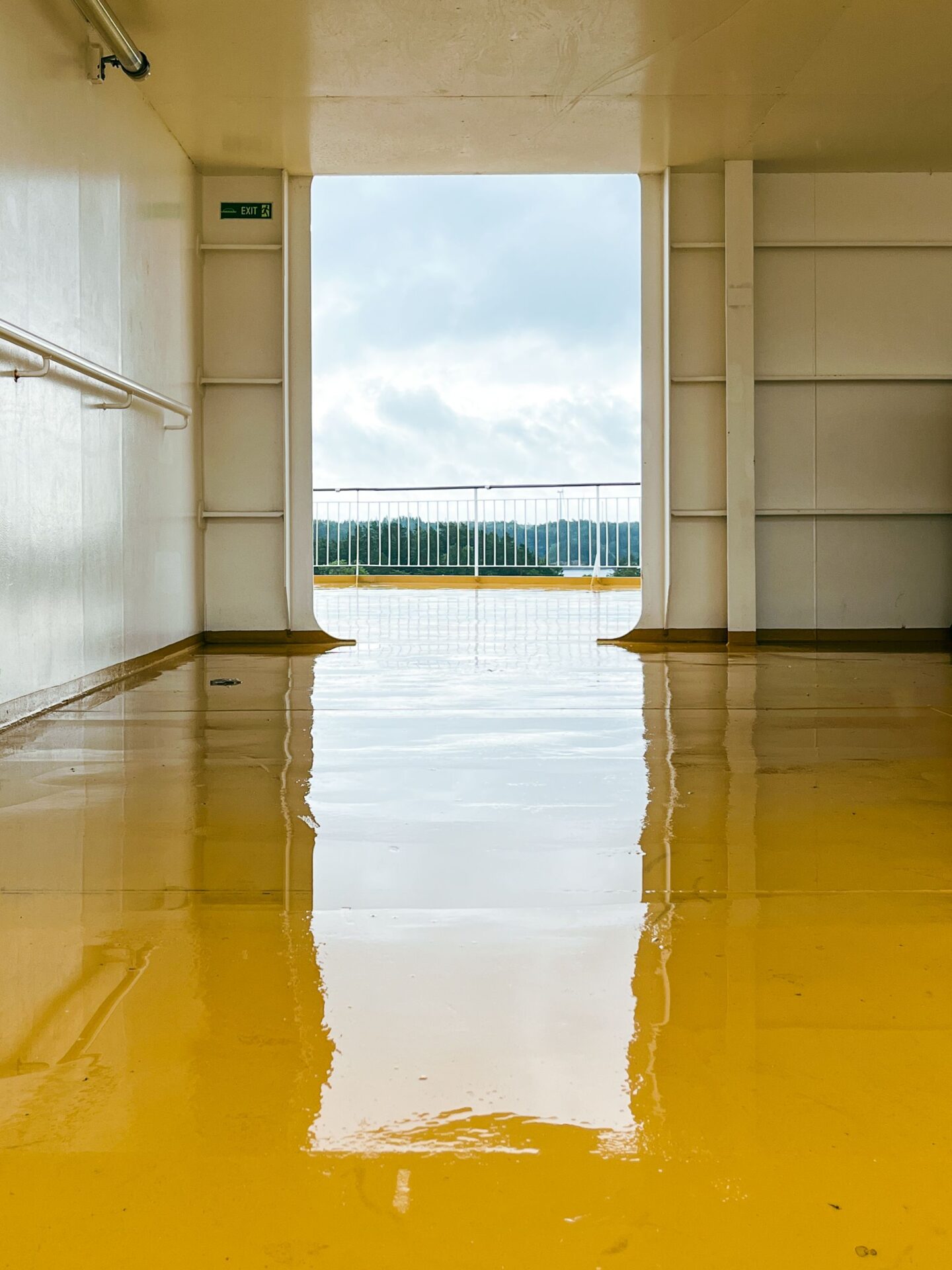
Not all floor coatings are created equal. The system your contractor recommends should match the specific demands of your facility. Here is how the most common systems compare on longevity:
Epoxy coatings are the workhorse of industrial flooring. They bond well to concrete, resist moderate chemical exposure, and handle heavy traffic. In a well-maintained facility with proper preparation, epoxy systems regularly last 10 to 20 years. Southeast Painters uses Sherwin-Williams epoxy products, including Macropoxy and Pre-Catalyzed Epoxy, for their proven performance in demanding commercial and industrial environments.
Urethane topcoats are often applied over epoxy base coats to add UV resistance, better abrasion performance, and a more resilient finish. This combination extends the overall system life and provides better color retention in facilities with natural light exposure.
MMA (methyl methacrylate) systems cure in as little as one to two hours and offer strong chemical resistance. Southeast Painters has installed Plexicoat MMA Chip Floor Systems in locker rooms and shower areas where moisture, chemicals, and fast turnaround all matter. These systems are durable and well-suited for facilities that cannot afford extended downtime.
Polyaspartic coatings combine fast cure times with strong UV stability and abrasion resistance. They are a good fit for facilities that need a long-lasting system installed on a tight schedule.
How Can You Extend the Life of Your Industrial Floor Coating?
Getting the maximum industrial floor coating lifespan out of your system comes down to three things: choosing the right system for your facility’s conditions, having it installed by a contractor who prioritizes surface preparation, and maintaining the coating properly after installation.
Routine maintenance makes a real difference. Sweeping debris regularly prevents abrasive particles from grinding into the surface under foot and wheel traffic. Cleaning up chemical spills promptly stops them from sitting on the coating and breaking down the resin. Placing protective mats or pads at transition points, loading docks, and high-wear areas reduces concentrated damage. And scheduling periodic inspections with your coating contractor allows you to catch small areas of wear before they become large-scale failures that require a full recoat.
You can see examples of the industrial and commercial flooring systems Southeast Painters has installed on our case studies page.
Frequently Asked Questions About Industrial Floor Coating Lifespan
How long does epoxy flooring last in a warehouse?
In a warehouse with moderate forklift traffic and proper surface preparation, epoxy flooring typically lasts 10 to 20 years. Facilities with heavier traffic, chemical exposure, or poor initial preparation may see shorter lifespans. Adding a urethane topcoat can extend durability.
Can you recoat an industrial floor without removing the existing coating?
In some cases, yes. If the existing coating is still well-bonded to the concrete and shows only surface wear rather than delamination or peeling, a contractor can abrade the surface and apply a new topcoat. If the existing system is failing at the bond line, it needs to be fully removed before a new system goes down.
What is the most durable industrial floor coating?
Epoxy base coats with urethane topcoats are among the most durable systems for general industrial use. For facilities with extreme chemical exposure or the need for very fast cure times, MMA and polyaspartic systems offer strong performance. The most durable option for your facility depends on your specific traffic, chemical, and environmental conditions.
How do I know when my floor coating needs to be replaced?
Common signs include visible wear patterns in high-traffic lanes, areas where the coating has worn through to bare concrete, bubbling or delamination, chemical staining that cleaning will not remove, and cracking or chipping. If your coating is showing these signs, contact a contractor for an assessment before the damage spreads to a larger area.
Does Southeast Painters install industrial floor coatings?
Yes. Southeast Painters installs resinous flooring, epoxy floor coating systems, traffic coatings, and specialty industrial floor systems for warehouses, manufacturing plants, distribution centers, and commercial facilities across the Southeast. Contact us for a free on-site estimate.
Get a Floor Coating System That Lasts
The right industrial floor coating system, installed over a properly prepared surface, protects your facility for years and saves you money on repairs and replacements. Southeast Painters brings over 30 years of experience and premium Sherwin-Williams products to every flooring project. Whether you need a new coating system or an assessment of your existing floor, our team is ready to help. Contact Southeast Painters today to schedule your free estimate.
Phone: (423) 558-3842
Email: info@southeastpainters.com
Website: www.southeastpainters.com
