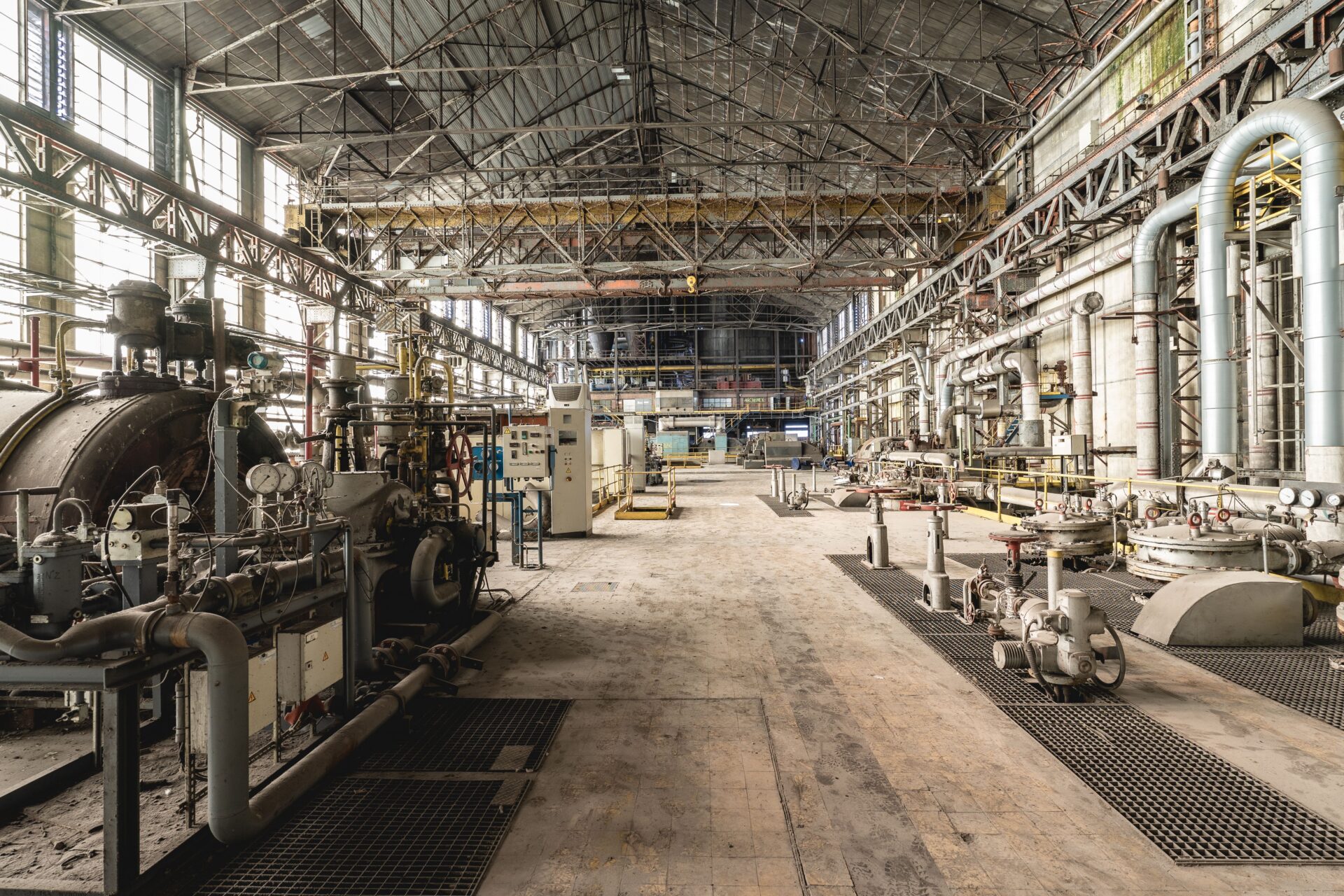
Every industrial facility faces threats that are invisible until the damage is already done. Corrosion eating through structural steel. Chemical exposure breaking down concrete floors. Moisture working its way into walls and equipment. Protective coatings for industrial facilities are the first line of defense against all of these problems, and the right coating system can save your operation thousands in repairs, downtime, and premature equipment replacement. At Southeast Painters, we have been applying protective coating systems to commercial and industrial buildings across the Southeast for over 30 years, and we know what it takes to keep a facility protected in this climate.
What Are Protective Coatings for Industrial Facilities?
Protective coatings are specialized products applied to surfaces to shield them from damage caused by corrosion, chemicals, abrasion, moisture, UV exposure, and extreme temperatures. Unlike standard paint, which is primarily decorative, protective coatings are engineered to perform under harsh conditions and extend the service life of the surfaces they cover.
In an industrial setting, protective coatings are applied to structural steel, concrete floors, walls, tanks, piping, equipment, and any surface that is exposed to conditions that would degrade it over time. The coatings create a barrier between the substrate and the environment, preventing the chemical and physical reactions that cause deterioration. Southeast Painters uses Sherwin-Williams protective coating products across our industrial painting projects because they are formulated specifically for high-performance industrial applications.
What Types of Damage Do Protective Coatings Prevent?
How Do Protective Coatings Stop Corrosion?
Corrosion is the most common and most expensive form of damage in industrial facilities. When steel and iron are exposed to moisture and oxygen, they rust. In the Southeast, high humidity levels accelerate that process significantly. Protective coatings for industrial facilities create a physical barrier that prevents moisture and oxygen from reaching the metal surface. Multi-coat systems that include a corrosion-inhibiting primer, an intermediate barrier coat, and a durable topcoat provide the strongest protection against rust and structural degradation.
Southeast Painters has applied protective coating systems to exposed structural steel on projects ranging from the Toyota Field stadium in Madison, Alabama, to the MoonPie silos in Chattanooga. On both projects, we used Sherwin-Williams Macropoxy primer and Acrolon urethane finish coats to protect the steel from years of weather and environmental exposure.
How Do Coatings Protect Against Chemical Exposure?
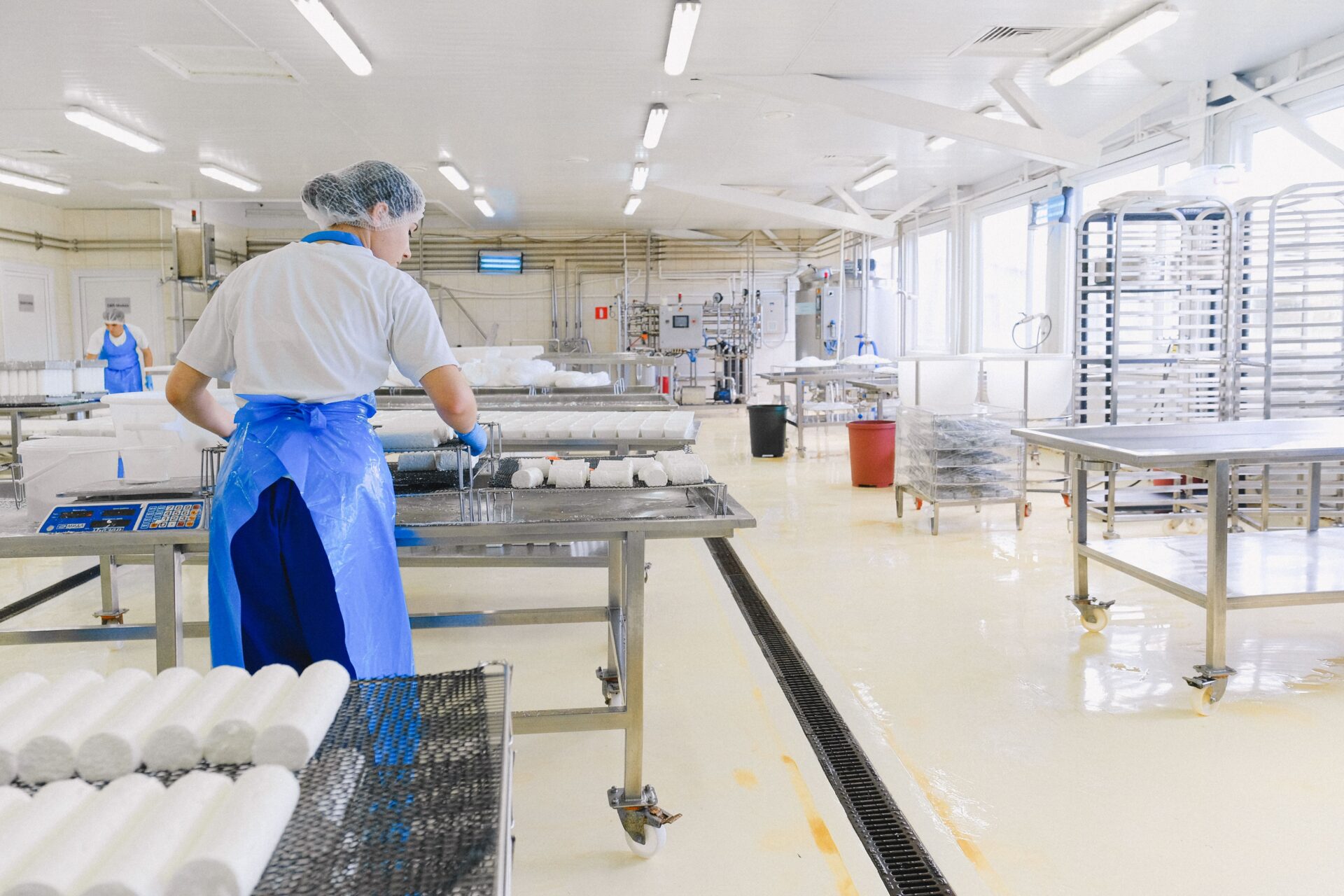
Manufacturing plants, chemical facilities, food processing operations, and warehouses all deal with substances that attack unprotected surfaces. Acids, solvents, cleaning agents, fuels, and food byproducts can break down concrete, corrode metal, and destroy standard paint in a matter of months. Protective coatings formulated for chemical resistance create a sealed surface that repels these substances and prevents them from penetrating the substrate. Sherwin-Williams Pre-Catalyzed Epoxy is one of the products Southeast Painters uses in high-exposure environments like food plants, hospitals, and manufacturing facilities where walls and surfaces face constant chemical contact.
How Do Coatings Handle Abrasion and Impact Damage?
Forklifts, heavy equipment, carts, and constant foot traffic all take a toll on floors and lower wall surfaces. Standard paint chips and wears through quickly under that kind of abuse. Protective coatings for industrial facilities, particularly resinous flooring systems and epoxy wall coatings, are formulated to absorb impact, resist abrasion, and maintain their integrity under heavy daily use. A properly specified system can handle years of forklift traffic, pallet impacts, and equipment movement without breaking down.
Where Are Protective Coatings Used in Industrial Facilities?
Protective coatings for industrial facilities are not limited to one surface or one area. They are used across the entire building wherever conditions demand more than standard paint can provide:
Structural steel is one of the most critical applications. Exposed beams, columns, trusses, and framing all need protection from corrosion, especially in humid environments or facilities with chemical exposure.
Concrete floors in warehouses, manufacturing plants, and distribution centers need coatings that resist chemicals, abrasion, staining, and moisture. Epoxy and resinous flooring systems are the standard solution.
Interior walls and ceilings in food plants, hospitals, commercial kitchens, and schools need coatings that are washable, chemical-resistant, and mold-resistant. Epoxy wall coatings provide a seamless, easy-to-clean surface that holds up in these environments.
Tanks and containment areas require specialized tank lining systems that resist the specific chemicals they hold. Southeast Painters has experience with tank linings and containment coatings as part of our industrial painting services.
Parking structures and walkways need traffic coatings that resist vehicular traffic, pedestrian wear, and chemical exposure from oils, fuels, and de-icing agents.
Why Does Surface Preparation Matter for Protective Coatings?
A protective coating is only as good as its bond to the surface underneath it. If the substrate is not properly cleaned, profiled, and primed, the coating will lose adhesion and fail regardless of how high-quality the product is. For protective coatings for industrial facilities, surface preparation is not optional. It is the most critical step in the entire process.
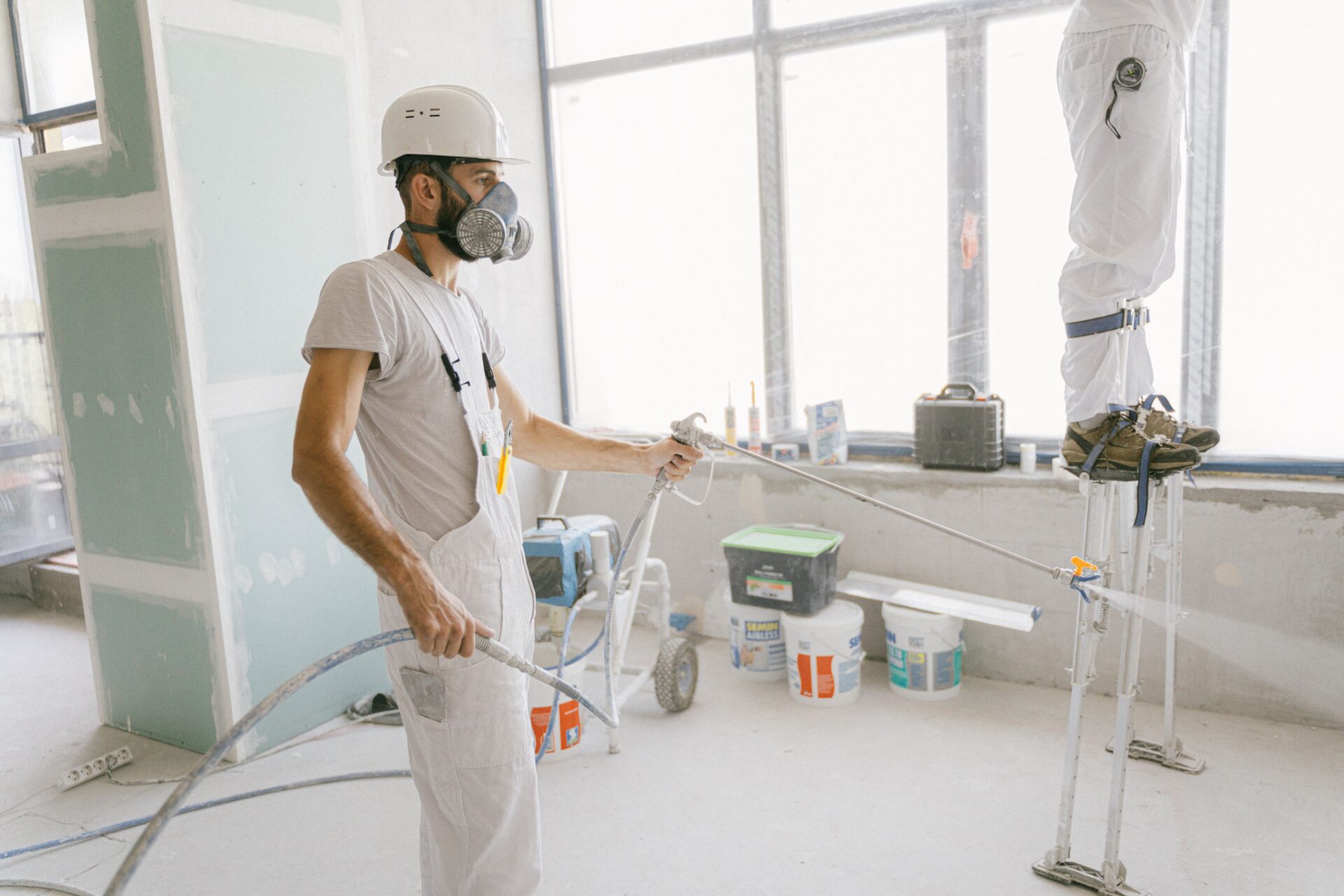
Southeast Painters uses sandblasting, ecoblasting, diamond grinding, power washing, and hand-tool cleaning to prepare surfaces before any coating is applied. We remove old coatings, rust, oil, grease, and contaminants so the new system bonds directly to a clean, properly profiled substrate. On structural steel projects, we blast to the profile specification required by the coating manufacturer. On concrete floors, we grind or shot-blast to open the pores of the slab and allow the coating to penetrate and grip. This level of preparation is what allows our coating systems to perform for years instead of months.
How Do You Choose the Right Protective Coating System?
The right coating system depends on the specific conditions your facility faces. A warehouse floor that handles forklift traffic needs a different system than a chemical plant wall that is exposed to sulfuric acid. A steel structure in a climate-controlled building has different needs than one exposed to coastal humidity. Choosing the right protective coatings for industrial facilities starts with a thorough assessment of the environment, the substrates, the exposure conditions, and the performance requirements.
Southeast Painters evaluates every project on site before recommending a system. Our estimators consider the type and severity of exposure, the substrate material and condition, the facility’s operational schedule, and the desired service life. We then specify a coating system from the Sherwin-Williams industrial product line that matches those requirements. That estimate is free, and it is the most important step in getting a system that protects your facility for the long term. You can see examples of our protective coating work on the case studies page.
Frequently Asked Questions About Protective Coatings for Industrial Facilities
What is the difference between protective coatings and regular paint?
Standard paint is primarily decorative and provides limited resistance to environmental exposure. Protective coatings are engineered to resist specific threats like corrosion, chemicals, abrasion, and UV degradation. They use advanced resin systems, higher film builds, and multi-coat application methods to deliver long-term performance in demanding industrial environments.
How long do protective coatings last on industrial surfaces?
Depending on the system and the conditions, protective coatings can last 10 to 20 years or more. Factors that affect lifespan include the type of coating, the quality of surface preparation, the severity of exposure, and the maintenance the coated surface receives.
Can protective coatings be applied to an existing painted surface?
In some cases, yes. If the existing coating is well-bonded and compatible with the new system, a contractor can abrade the surface and apply the new coating over it. If the existing system is failing, it needs to be fully removed before the new protective coating goes down. Your contractor should assess the existing surface and test adhesion before recommending an approach.
Does Southeast Painters apply protective coatings?
Yes. Southeast Painters applies protective coating systems to structural steel, concrete floors, walls, tanks, and other industrial surfaces across the Southeast. We use Sherwin-Williams industrial products and thorough surface preparation on every project. Contact us for a free estimate.
How much do protective coatings cost compared to standard paint?
Protective coatings typically cost more upfront than standard paint because they use higher-performance products, require more thorough surface preparation, and are applied in thicker, multi-coat systems. However, they last significantly longer and prevent costly damage, making them far more cost-effective over the life of the facility.
Protect Your Facility with a Coating System Built to Perform
Your facility faces real threats every day, and the right protective coating system stops the damage before it starts. Southeast Painters brings over 30 years of experience, premium Sherwin-Williams industrial products, and thorough surface preparation to every project. Whether you need corrosion protection on structural steel, chemical-resistant wall coatings, or a durable floor system for heavy industrial traffic, our team is ready to help. Contact Southeast Painters today to schedule your free estimate.
Phone: (423) 558-3842
Email: info@southeastpainters.com
Website: www.southeastpainters.com
