What to Expect When You Hire a Commercial Painting Company: A Step-by-Step Process Guide
You have a facility that needs painting. Maybe the exterior is showing its age. Maybe the warehouse floors need a fresh protective coating, or the interior walls are overdue for a refresh. You know you need a commercial painting company, but you are not sure what happens after that first call. What do they look at? How long does it take? These are fair questions.
Commercial painting services cover a wide range of work. Office buildings, retail stores, warehouses, manufacturing plants, and distribution centers all fall under this category. The projects are bigger, the prep is more involved, and the coatings are chosen for durability and compliance, not just looks. Understanding the process from start to finish helps you move forward with confidence and ask the right questions along the way.
How Do Commercial Painting Companies Start a New Project?
Every project starts with a conversation. When you contact a commercial painting contractor, they schedule an on-site walkthrough. This is not just a quick look around. The estimator needs to see the surfaces, gauge the scope of work, and identify any access challenges or scheduling constraints.
During the visit, the contractor checks the existing paint condition. They note damage, peeling, or corrosion that needs attention before new coatings go down. They also ask about your operational schedule. Painting around production hours, shift changes, or tenant occupancy is a real consideration in commercial and industrial facilities.
After the walkthrough, you get a written estimate. It outlines the scope of work, materials, timeline, and cost. Ask about the specific products they plan to use and the prep methods involved. Find out how they handle unexpected conditions like hidden rust or moisture damage once work starts.
What Happens During Surface Preparation?
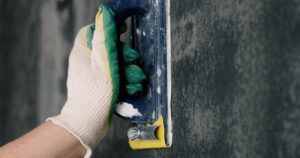
Surface preparation is the most important step in any commercial or industrial painting project. A coating applied over a poorly prepared surface will fail, peel, or crack early. According to the Society for Protective Coatings (SSPC), improper surface preparation causes the majority of coating failures in industrial environments. On a large facility, that is an expensive problem.
Prep work varies by surface and condition. It can include power washing, sanding, scraping, sandblasting, or ecoblasting. Sandblasting uses high-pressure air and abrasive media to strip rust, old coatings, and contaminants from metal or concrete. Ecoblasting combines water with abrasive media. It cuts down on dust, contains debris more efficiently, and works well near occupied areas.
Interior spaces like warehouses and manufacturing facilities need additional prep steps. The crew masks equipment, protects floors, seals off dust-sensitive areas, and confirms ventilation is adequate. Proper prep takes time. A contractor who rushes through it cuts corners that show up later.
What Type of Coating Gets Used on a Commercial Facility?
Commercial and industrial painting projects use professional-grade products, not what you find at a hardware store. Coatings are selected based on the environment, the surface, and the performance requirements.
Exterior commercial buildings get high-quality acrylic or elastomeric coatings. These resist UV exposure, moisture, and temperature swings. Industrial environments like plants, warehouses, and structural steel need epoxy and urethane coatings. These products are harder, more chemical-resistant, and built for heavy use.
Resinous flooring falls under commercial painting services as well. Contractors apply epoxy or polyurethane systems directly to concrete. The finished surface is seamless, chemical-resistant, and handles forklift traffic, spills, and constant foot traffic. Warehouses, hospitals, athletic facilities, and food production spaces all use these coatings for safety and durability.
A qualified contractor explains why specific products fit your facility. The right coating pays for itself over time through lower maintenance costs and a longer service life.
How Do Contractors Handle Scheduling Around Your Operations?
Disruption is one of the biggest concerns for facility managers. Experienced commercial painting contractors plan around your schedule. They do not ask you to shut down operations for their convenience.
Projects in occupied buildings are often phased. The crew paints one section or floor at a time. Night and weekend shifts are common in retail stores, restaurants, and office buildings where daytime disruption is not an option. Industrial painting contractors near active plants coordinate with production supervisors to work during scheduled shutdowns or slower production periods.
Your contractor builds a project schedule during the planning phase. It covers start and end dates for each phase, access requirements, and a clear contact for when conditions change. A detailed schedule is a sign of a professional operation.
What Safety Standards Does a Commercial Painting Contractor Need to Follow?
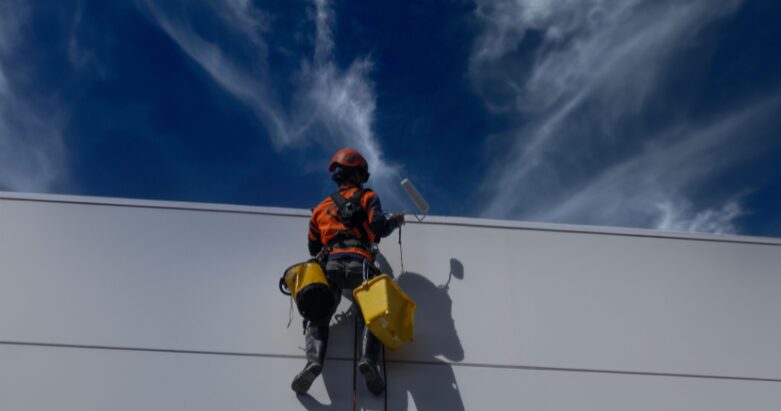
Safety is non-negotiable in commercial and industrial painting. OSHA regulations cover fall protection, respiratory equipment, chemical handling, and ventilation. A contractor who cannot explain their safety protocols clearly is one worth reconsidering.
Industrial painting services come with more specific safety demands. Working around heavy machinery, elevated structures, confined spaces, or hazardous materials requires specialized training and certifications. Reputable industrial painting contractors maintain documented safety programs, equip crews with proper protective gear, and conduct regular training.
When comparing commercial painting companies, ask for their safety record and relevant certifications. This protects the crew and limits your liability as a property or facility owner.
What Does the Application Process Look Like on the Job Site?
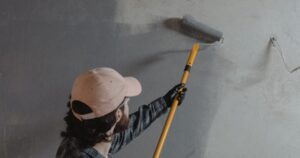
Application starts after prep is complete and materials are on site. Most commercial projects require multiple coats. A primer coat goes down first to improve adhesion and add a base layer of protection. Finish coats follow. The number of coats depends on the product, the surface condition, and the performance specs for that space.
Warehouse painting often uses airless spray equipment on large wall sections. Spraying covers high ceilings and wide surfaces quickly and evenly. Brush and roller work handles doors, windows, trim, and equipment edges where clean lines matter. The crew manages masking and overspray protection throughout.
How Does Floor Coating Application Work?
Floor coating application takes more steps than wall painting. Concrete gets shot-blasted or acid-etched first. This opens the surface and improves adhesion. Then a primer goes down, followed by the base coat and topcoat system. Each layer needs time to cure before the next one applies. Skipping cure time leads to adhesion failures, and a floor that starts peeling within months.
How Do You Know When the Job Is Done Right?
A reputable commercial painting company does a final walkthrough with the client at close-out. This is your chance to inspect the work against the original scope, flag any areas for touch-up, and confirm delivery matches the agreement. Do not skip it.
Check for consistent coverage with no roller lines, drips, or missed sections. Edges should be clean and sharp. Floors should be smooth and uniform, with no bubbling, pinholes, or lifted coating. Masking tape should come off without pulling paint.
Ask your contractor for close-out documentation. This covers the products used, number of coats applied, manufacturer warranty details, and maintenance recommendations. Keep it on file. It is useful when you match a color later, plan a refresh, or need to file a warranty or insurance claim.
Frequently Asked Questions About Hiring Commercial Painting Companies
How long does a typical commercial painting project take? Timelines vary based on facility size, prep requirements, number of coats, and scheduling constraints. A single-story office repaint may take a few days. A full warehouse painting project covering walls, ceilings, and floors can run several weeks. Your contractor provides a schedule during the estimating phase.
Do commercial painting contractors work around business hours? Yes. Experienced commercial painting contractors near you work nights, weekends, or in phases to keep your operations running. Bring up your schedule during the site visit so the contractor can plan around it.
What is the difference between commercial and industrial painting services? Commercial painting covers office buildings, retail spaces, and restaurants where appearance and brand consistency drive the decisions. Industrial painting services focus on manufacturing plants, warehouses, and structural steel where coatings must handle chemical exposure, heavy use, and environmental stress. The products and methods differ significantly between the two.
How much does commercial painting cost? Costs depend on project size, surface conditions, specified products, and labor. An on-site estimate is the only reliable way to get accurate pricing. Contractors who quote over the phone without seeing the space are guessing, and that number changes once work starts.
How do I choose the right commercial painting company for my facility? Look for verified experience in your type of facility, a clear safety program, references from similar projects, and a detailed written estimate. Ask specifically about experience with the coating system your project requires.
What should I do before a commercial painting contractor arrives? Clear access to work areas. Remove or protect equipment and furnishings that could get damaged. Share any site-specific rules like badge requirements, restricted areas, or safety protocols your facility follows. Getting ahead of access issues saves time on day one.
Ready to Get Started With a Commercial Painting Company in the Southeast?
Southeast Painters, Inc. has delivered commercial and industrial painting services across the Southeast since 1990. From warehouse painting and epoxy flooring to structural steel coatings and sandblasting, the team brings decades of hands-on experience to facilities of every size. Projects are planned around your schedule, executed with strict safety standards, and backed by a commitment to quality that holds up long after the last coat dries.
Located in Chattanooga, TN, Southeast Painters works with facility managers, contractors, plant engineers, and property managers across the region. Contact the team at 423.266.6615 or info@southeastpainters.com to schedule your on-site estimate.
