
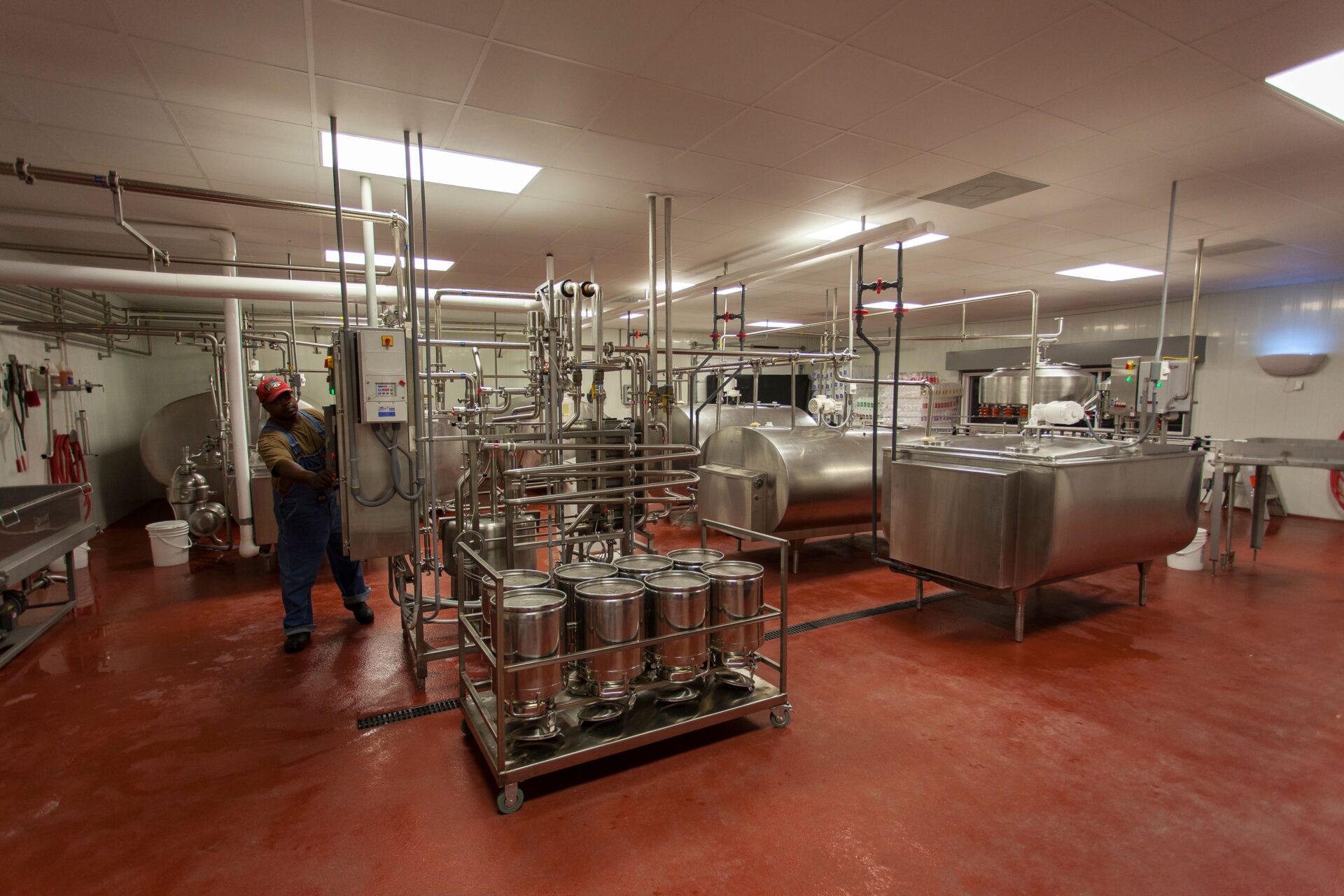
A food processing facility is not a standard commercial building, and it cannot be painted like one. Every surface inside the plant has to stand up to daily washdowns with industrial sanitizers, temperature swings from freezers to cooking lines, constant exposure to moisture, and the scrutiny of federal inspectors who are trained to spot coating failures. The wrong coatings in this environment do not just look bad. They create food safety hazards, trigger regulatory citations, and shut down production lines.
Food processing facility coatings are specialized systems designed to meet the performance demands and compliance requirements unique to food and beverage manufacturing. Whether your plant processes meat, dairy, baked goods, or beverages, the coatings on your floors, walls, and ceilings play a direct role in keeping your facility audit-ready and your products safe.
What Regulations Govern Food Processing Facility Coatings?
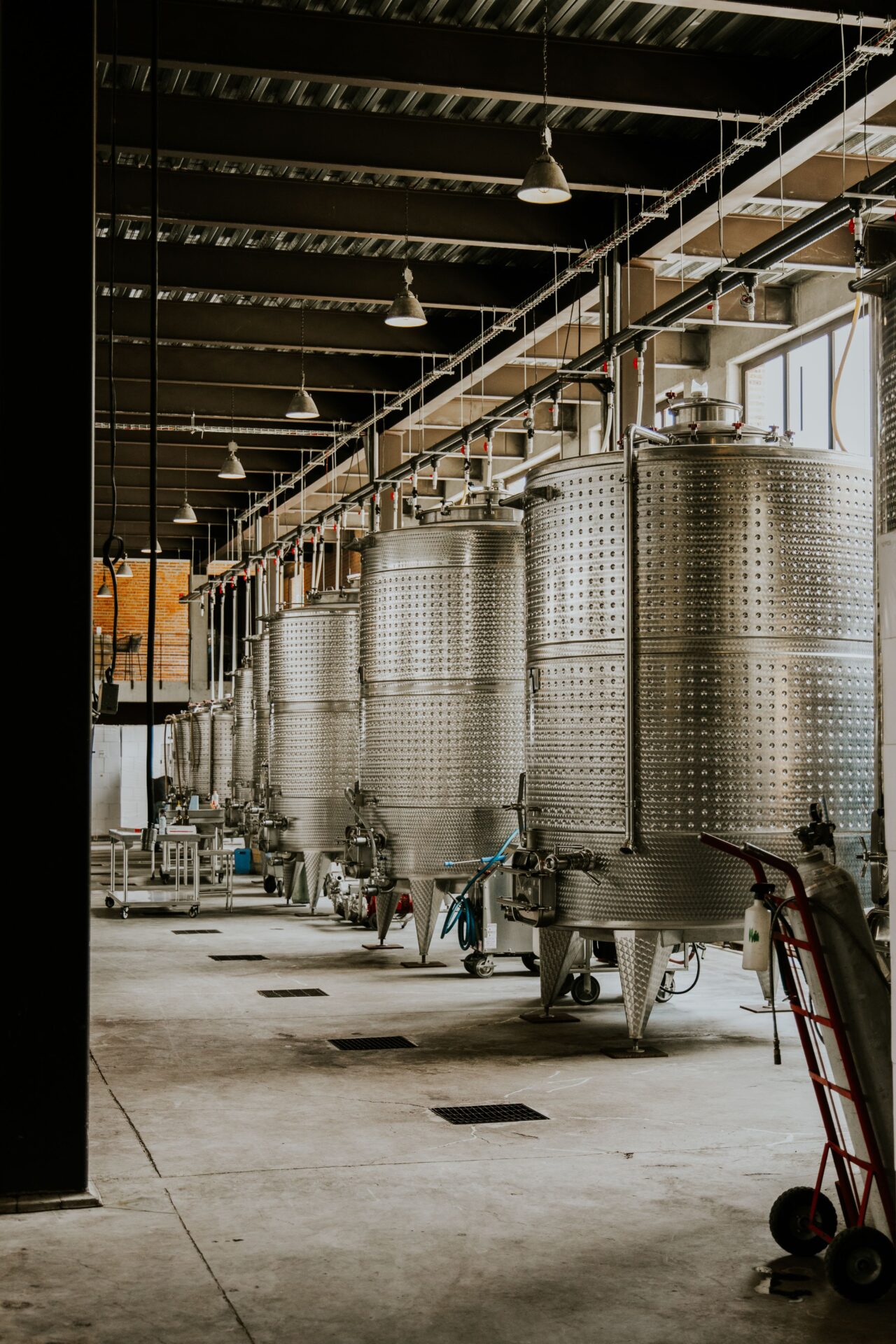
Two federal agencies set the standards that matter most. The FDA regulates any coatings or linings that come into direct contact with food products, including the interior of tanks, vessels, and processing equipment. The governing standard is 21 CFR 175.300, which defines acceptable materials, formulations, and migration limits for coatings in direct food contact applications.
The USDA, through its Food Safety and Inspection Service (FSIS), oversees the broader facility environment in federally inspected meat, poultry, and egg processing plants. USDA inspectors evaluate floors, walls, and ceilings for cleanability, smoothness, and resistance to the chemicals used in daily sanitation. Rough textures, peeling paint, pinholes, and any surface where bacteria could harbor are grounds for non-compliance findings.
In practical terms, every coating in a food processing facility needs to be smooth, non-porous, non-absorbent, and resistant to the cleaning agents used in that specific environment. A standard commercial paint will not satisfy either requirement.
What Coating Systems Are Used in Different Zones of a Food Plant?
A food processing facility is not one uniform environment. It contains zones with very different exposure conditions, and each zone needs a coating system matched to those specific demands.
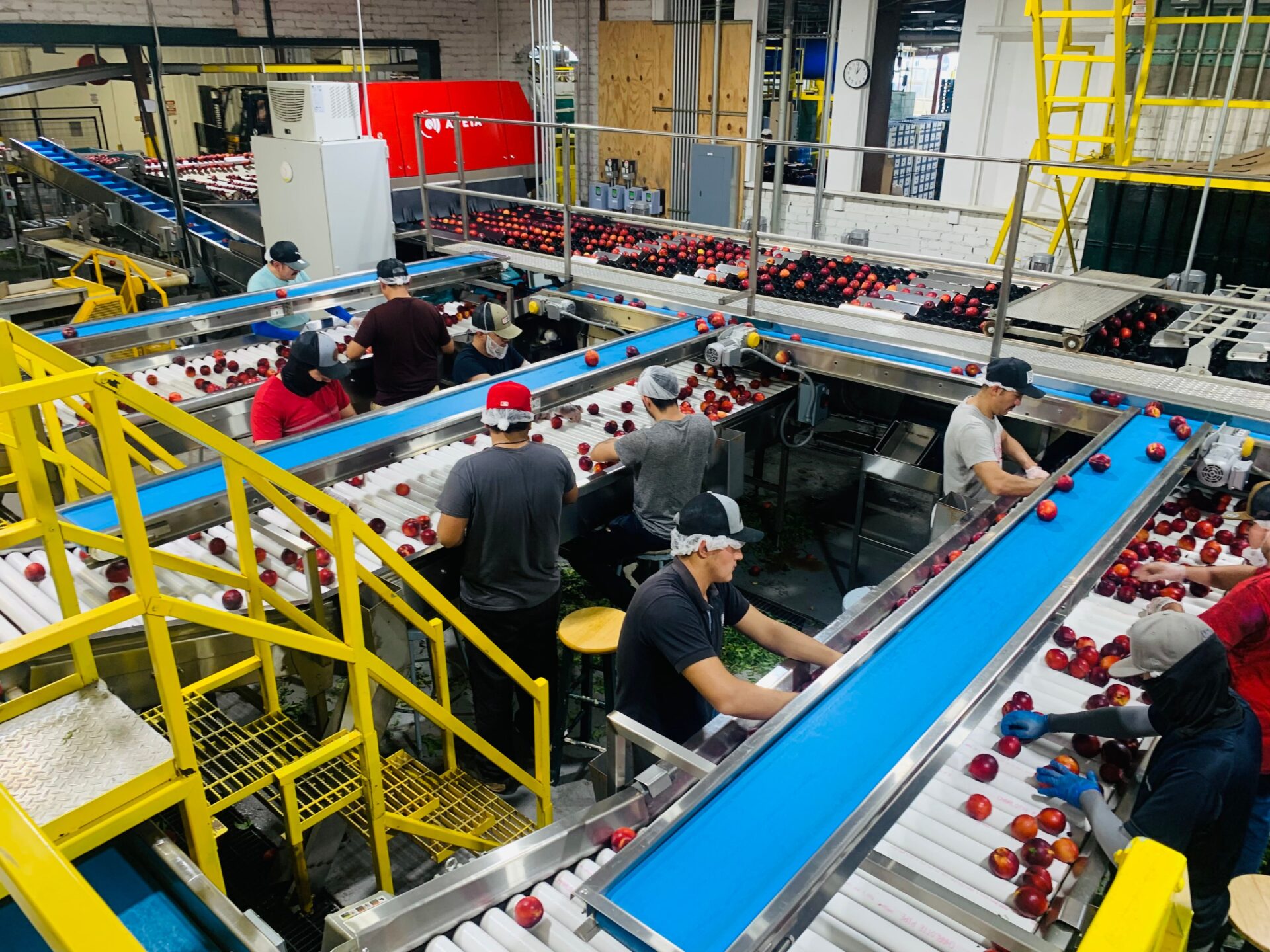
Production Floors
Production area floors take the hardest hits. They face thermal shock from hot washdowns on cold concrete, chemical exposure from sanitizers and caustic cleaners, impact from dropped equipment and carts, and constant moisture from processing and cleaning cycles. Urethane cement coatings are the standard for production floors in most food plants because they handle thermal cycling without cracking and resist the aggressive chemicals used in daily sanitation. These systems are applied as seamless, monolithic surfaces with integral cove bases at floor-to-wall transitions to eliminate joints where bacteria can collect. For a closer look at how resinous flooring systems work in high-demand environments, visit our service page.
Walls and Ceilings in Processing Areas
Walls and ceilings in production zones need coatings that resist moisture penetration, condensation, and repeated cleaning without peeling or flaking. High-build epoxy and pre-catalyzed epoxy systems are common choices because they create a hard, seamless film that is easy to clean and holds up against sanitizers. Any peeling or flaking paint above a production line is an immediate contamination risk and a red flag during inspections. The surface finish needs to be smooth enough to prevent bacterial harborage but tough enough to withstand pressure washing.
Cold Storage and Freezer Areas
Coatings in freezers and coolers must handle sustained low temperatures without becoming brittle or losing adhesion. They also face rapid temperature changes when doors open and warm moist air contacts cold surfaces, creating condensation that accelerates failure. Flexible epoxy and polyurethane systems rated for low-temperature service are specified for these areas. Standard coatings that perform well at room temperature will crack and delaminate in a freezer within months.
Dry Storage and Non-Production Areas
Hallways, offices, and dry storage areas within a food plant still require cleanable, durable coatings, but the performance demands are lower than in wet processing zones. High-quality commercial-grade acrylic coatings can work in these spaces as long as they provide a smooth, washable finish. Even here, inspectors expect well-maintained surfaces that do not shed particles or harbor contaminants.
What Are the Warning Signs That Your Food Facility Coatings Are Failing?
Failures in food processing facility coatings are not just maintenance headaches. They are compliance risks that can result in citations, production holds, or forced shutdowns. Knowing what to watch for helps you act before an inspector does.
Peeling or Flaking on Walls and Ceilings
Paint chips falling from a ceiling into a production zone is one of the most common contamination findings in food plant audits. Once a coating starts peeling, the problem accelerates quickly because moisture gets behind the film and pushes more of it away from the substrate. If you are seeing any flaking above or adjacent to a processing line, that area needs immediate attention.
Cracks or Delamination on Floors
Floor coatings in food plants take a beating from thermal shock and chemical exposure. When cracks develop in the floor coating or the coating lifts away from the concrete, those gaps become collection points for water, bacteria, and processing residue. A cracked floor coating is a failed floor coating in the eyes of a USDA inspector.
Staining That Will Not Clean
If your cleaning crew is scrubbing the same stains day after day and they will not come out, the coating’s chemical resistance has likely broken down. A healthy coating in a food facility should release contaminants during normal sanitation cycles. Persistent staining means the surface has become porous at a microscopic level, which compromises both hygiene and compliance.
Visible Mold or Mildew Growth
Mold on coated surfaces signals that moisture is penetrating or becoming trapped behind the coating film. In a food processing environment, mold growth is a serious finding that needs to be corrected at the source, not just cleaned off the surface. The coating system in the affected area likely needs to be removed and replaced with a moisture-resistant system appropriate for that zone.
Why Does a Food Plant Need a Specialized Painting Contractor?
The coatings used in food plants are not standard paints. They are multi-component systems with specific mixing ratios, application temperatures, humidity limits, and cure times. Applying a urethane cement floor system is a fundamentally different process from rolling latex paint on an office wall. A contractor who does not work with these products regularly will make mistakes that show up as failures weeks or months after the job is done. Learn more about our industrial painting capabilities and the types of facilities we serve.
Surface preparation is where most coating failures originate. Floors that have absorbed oils, fats, and cleaning chemicals over years of service require aggressive preparation, including diamond grinding or shot blasting, to create a clean surface profile that the coating can grip. Walls and ceilings need thorough cleaning and priming to remove years of washdown residue. On top of product and prep knowledge, a food plant contractor needs to know how to phase work around a tight production calendar so that each zone is prepped, coated, and fully cured before operations return.
How Should You Plan a Recoating Project for Your Food Facility?
Start by identifying which areas have the most urgent coating failures and which zones are approaching the end of their service life. A walkthrough inspection that documents peeling, cracking, staining, and other deficiencies gives you a clear scope of work to present to contractors. Coordinate the project around planned shutdowns or seasonal slowdowns so that critical production areas can be recoated and returned to service on a defined timeline.
Make sure your contractor provides documentation for every product used in the project. You need compliance certificates, technical data sheets, and material safety data sheets on file for every coated surface. If a USDA or FDA auditor asks what coating is on your production floor or your processing room walls, you need to answer with specifics, not guesses.
Frequently Asked Questions About Food Processing Facility Coatings
What is the most common coating used on food plant floors?
Urethane cement is the most widely specified coating system for production floors in food processing facilities. It provides thermal shock resistance, chemical resistance against sanitizers and caustic cleaners, and a seamless non-porous surface that meets USDA cleanability requirements. It is applied as a thick monolithic layer with integral cove bases at all wall transitions.
How often do food processing facility coatings need to be replaced?
Service life depends on the coating type, the zone it is in, and how aggressively it is cleaned. Production floors in high-traffic wet processing areas may need recoating every 5 to 10 years. Walls and ceilings in processing areas typically last longer but should be inspected annually for peeling, staining, or other signs of failure. Dry storage and non-production areas can go 10 years or more between recoats with proper maintenance.
Can I use regular commercial paint in a food processing plant?
Standard commercial paints are not appropriate for production zones, wet processing areas, or any surface subject to washdowns and chemical exposure. They lack the chemical resistance, moisture resistance, and surface hardness required to pass USDA and FDA inspection standards. Standard latex or acrylic paints may be acceptable in dry storage, offices, and hallways, but production areas require specialized food processing facility coatings.
What does FDA 21 CFR 175.300 cover?
FDA 21 CFR 175.300 is the federal regulation that defines which coating materials are acceptable for use on surfaces that come into direct contact with food. It governs coatings and linings inside tanks, vessels, and processing equipment where the coating physically touches food products. Coating manufacturers must provide compliance documentation showing their products meet the formulation and migration limits defined in this standard.
How do I keep my facility in compliance between recoating projects?
Routine inspection is the best preventive measure. Walk your facility monthly and look for peeling, cracking, staining, and any areas where moisture is collecting behind the coating. Address small repairs immediately rather than waiting for them to spread. Keep cleaning protocols aligned with the coating manufacturer’s recommendations, because using the wrong sanitizer concentration or water temperature can accelerate coating degradation.
Keep Your Food Facility Compliant and Protected
Southeast Painters has spent over 30 years coating commercial and industrial facilities across the Southeast, including manufacturing plants, distribution centers, and processing facilities that operate under strict regulatory oversight. Our crews are experienced with the specialized coating systems that food and beverage facilities require, from urethane cement production floors to high-build epoxy wall systems. We handle surface preparation, phased scheduling around your production calendar, and full documentation for every product applied. See examples of our work on our case studies page.
Contact Southeast Painters today to schedule a free estimate for your food processing facility coatings project.
Phone: (423) 558-3842
Email: info@southeastpainters.com
Address: 3535 St. Elmo Avenue, Chattanooga, TN 37409
