
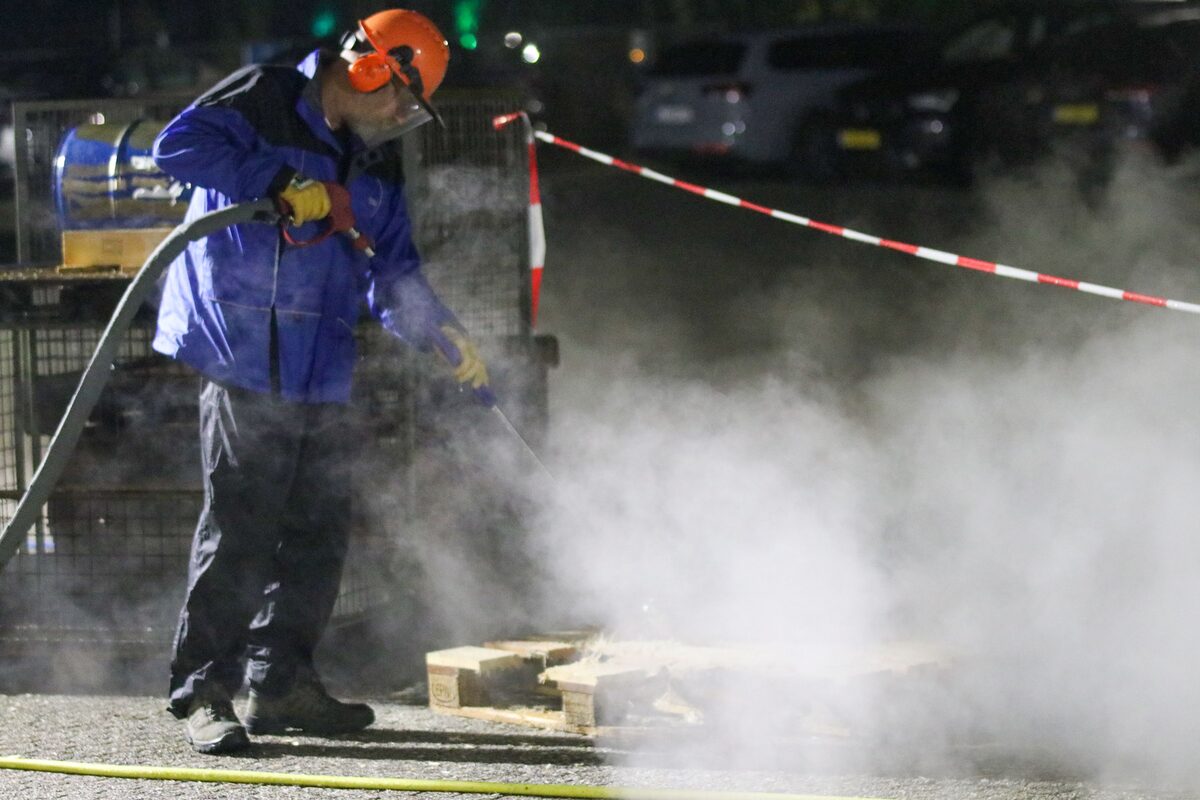
Surface preparation is the foundation of every coating project, and choosing the right method can make or break your results. If you manage a commercial building, warehouse, or industrial facility in the Southeast, you have likely heard the terms ecoblasting and sandblasting used interchangeably. But they are not the same thing. Understanding the differences between ecoblasting vs sandblasting helps you choose the right preparation method for your next project, protect your surfaces, and keep your facility running on schedule. At Southeast Painters, we have spent over 30 years preparing and coating surfaces for commercial and industrial clients across the South and Southwest, and we use both methods depending on the demands of the job.
What Is Sandblasting and How Does It Work?
Sandblasting is a surface preparation technique that uses high-pressure air to propel sand or other abrasive materials against a surface. The force strips away old coatings, rust, corrosion, graffiti, and other contaminants from metal, concrete, and wood. It has been a staple in the industrial painting industry for decades because it works fast and handles heavy buildup effectively.
Traditional sandblasting is especially useful on large-scale industrial projects where thick layers of old paint, heavy rust, or stubborn coatings need to come off quickly. Structural steel, storage tanks, heavy equipment, and exterior concrete surfaces are all common candidates. However, traditional sandblasting generates a significant amount of airborne dust, which creates challenges for projects near occupied spaces, environmentally sensitive areas, or facilities that need to stay operational during the work.
What Is Ecoblasting and Why Is It Different?
Ecoblasting, also known as dustless blasting or environmentally friendly blasting, takes the concept of sandblasting and improves on it. Instead of dry abrasive material alone, ecoblasting combines water, abrasive media, and specialized equipment to clean surfaces with far less dust and airborne debris. The water suppresses the dust cloud that traditional sandblasting creates, making the process cleaner and safer for surrounding areas.
Southeast Painters uses recycled glass media in our ecoblasting process, which is a non-toxic abrasive that breaks down into an inert material after use. This means the waste stream is simpler to manage, and the process is safer for both our crews and the environment. Our sandblasting and ecoblasting services cover water pressure capabilities ranging from 10,000 to 20,000 psi standard, with ultra-high-pressure options up to 40,000 psi for the most demanding applications.
How Do Ecoblasting and Sandblasting Compare on Key Factors?
Which Method Produces Less Dust and Debris?
This is the most significant difference in the ecoblasting vs sandblasting comparison. Traditional sandblasting produces large volumes of airborne dust that can drift across a job site, settle on vehicles and equipment, and create visibility and respiratory concerns. Ecoblasting reduces that dust dramatically because the water binds to the particles and keeps them from becoming airborne. For facilities that need to remain partially operational during surface prep, ecoblasting is often the better choice.
Which Method Is Better for Sensitive Surfaces?
Ecoblasting offers a gentler, more precise approach. The combination of water and abrasive media allows our crews to target specific areas without causing unnecessary damage to the surrounding surface. This makes ecoblasting ideal for removing graffiti from a single wall section, stripping coatings from delicate architectural details, or cleaning concrete without gouging. Traditional sandblasting is more aggressive, which is an advantage when you need to strip heavy corrosion from structural steel but a drawback when working on surfaces that require a lighter touch.
Which Method Is More Environmentally Friendly?
Ecoblasting wins here. The recycled glass media Southeast Painters uses is non-toxic, and the water suppression system keeps particulates from spreading into the air. Traditional sandblasting, while effective, sends fine particles into the atmosphere and creates a larger cleanup footprint. If your project is near a waterway, residential area, or environmentally regulated zone, ecoblasting is typically the method that keeps you in compliance with less hassle.
When Should You Choose Sandblasting Over Ecoblasting?

Traditional sandblasting still has its place. When a project involves extremely heavy rust, thick industrial coatings, or large expanses of structural steel that need to be stripped down to bare metal as quickly as possible, sandblasting is often the faster option. The dry abrasive process can remove material at a high rate, and on projects where dust containment is not a major concern, such as remote industrial sites or large outdoor steel structures, traditional sandblasting can be the more efficient and cost-effective method.
Tank exteriors, bridge components, heavy equipment, and large-scale industrial facilities are all situations where sandblasting may be the right call. Your contractor should evaluate the scope of contamination, the substrate material, the surrounding environment, and your timeline to determine which approach makes the most sense.
When Is Ecoblasting the Better Option?
Ecoblasting shines on projects where cleanliness, precision, and environmental responsibility matter. Commercial painting projects on occupied buildings, retail centers, and campus environments benefit from the reduced dust and debris. Ecoblasting is also the preferred method when preparing surfaces for high-performance coating systems like resinous flooring or traffic coatings, because the water-assisted process leaves the substrate clean and properly profiled without the residue that dry blasting can leave behind.
If your facility handles food production, serves the public, or sits in a densely developed area, ecoblasting lets you complete surface preparation without shutting down adjacent operations or creating complaints from neighbors. Southeast Painters has used ecoblasting on projects ranging from retail store exteriors to industrial plant floors, and the versatility of the method is one of its biggest advantages.
Why Does Surface Preparation Matter So Much?
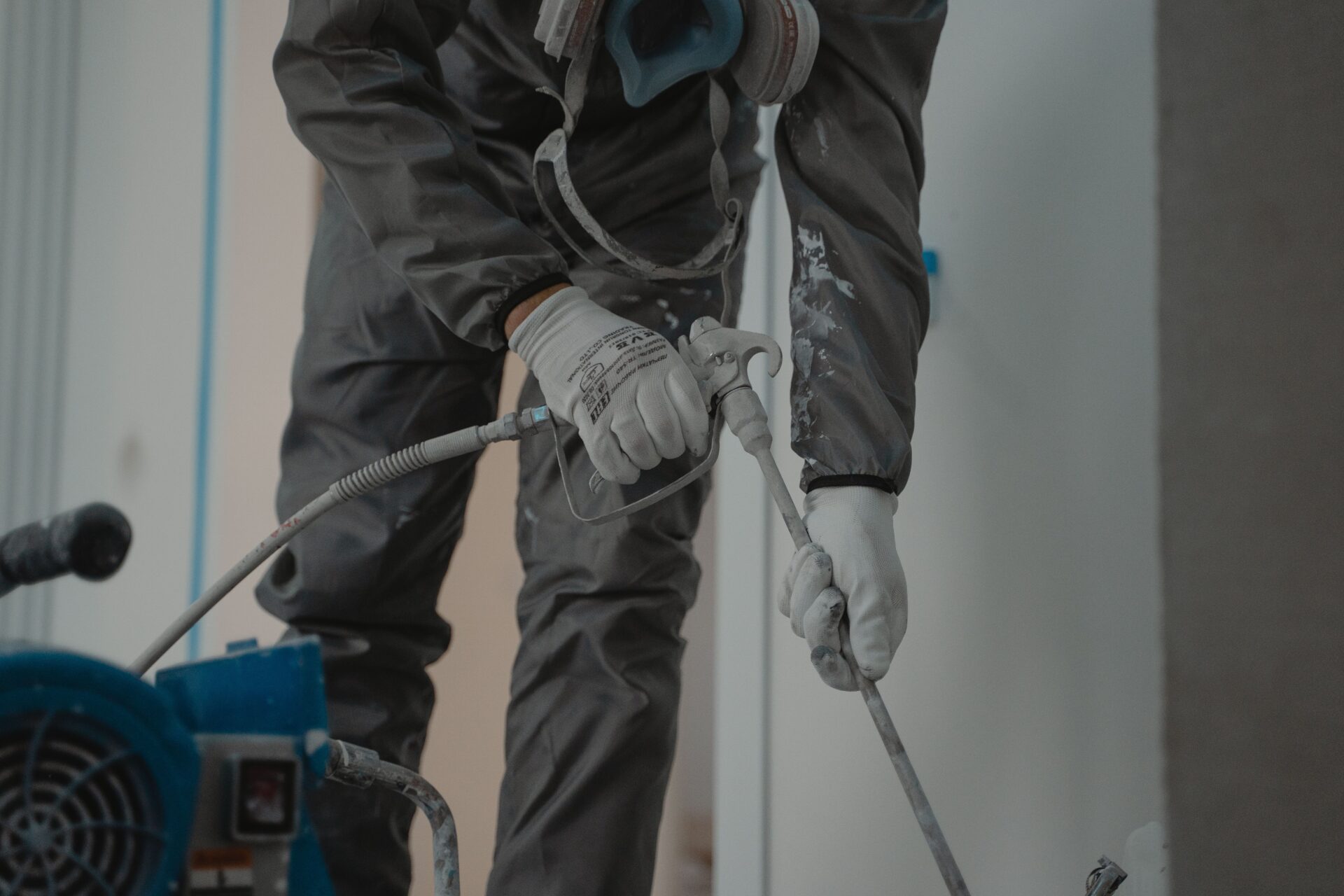
No coating system lasts if the surface underneath it is not properly prepared. Old paint, rust, oil, dirt, and other contaminants prevent new coatings from bonding to the substrate. When that bond fails, you get peeling, flaking, blistering, and premature coating failure, all of which cost more to fix than doing the prep work correctly the first time.
Whether you are dealing with ecoblasting vs sandblasting, the goal is the same: create a clean, properly profiled surface that gives the new coating the best possible adhesion. At Southeast Painters, surface preparation is not an afterthought. It is the first step in every project we take on, and it is one of the reasons our coating systems perform for years instead of months. We pair our blasting services with premium Sherwin-Williams coating products to deliver results that hold up under the toughest conditions the Southeast can throw at them.
How Do You Know Which Method Your Project Needs?
The right choice between ecoblasting vs sandblasting depends on several factors: the type and condition of the surface, the coating system being applied, the location and surrounding environment, your facility’s operational schedule, and any environmental or regulatory requirements. A qualified contractor will assess all of these variables and recommend the method that gives you the best preparation for the longest-lasting results.
Southeast Painters offers both ecoblasting and traditional sandblasting because no single method works for every situation. Our estimators evaluate your project on site, factor in the specifics of your facility and timeline, and recommend the surface preparation approach that sets your coating project up for success. You can review examples of our surface preparation and coating work on our case studies page.
Frequently Asked Questions About Ecoblasting vs Sandblasting
Is ecoblasting more expensive than sandblasting?
Ecoblasting can have a slightly higher upfront cost due to the specialized equipment and water management involved. However, the reduced cleanup time, lower environmental compliance burden, and ability to work near occupied spaces often make it more cost-effective overall. Your contractor should provide a detailed estimate that accounts for both preparation and cleanup costs.
Can ecoblasting remove heavy rust and corrosion?
Yes. Ecoblasting is effective on rust, corrosion, old coatings, graffiti, and a wide range of surface contaminants. For extremely heavy buildup on large industrial surfaces, traditional sandblasting may be faster, but ecoblasting handles most commercial and industrial preparation tasks without difficulty.
Does ecoblasting work on all surface types?
Ecoblasting works on metal, concrete, wood, and masonry surfaces. The water-and-abrasive combination can be adjusted in pressure and media type to match the specific substrate, which makes it versatile for both large industrial structures and smaller commercial surfaces.
How long does ecoblasting take compared to sandblasting?
The blasting time itself is comparable for most projects. Where ecoblasting saves time is in the overall project schedule. Because there is far less dust and debris to contain and clean up, the total turnaround from start of surface prep to start of coating application is often shorter with ecoblasting, especially on projects in occupied or enclosed spaces.
Does Southeast Painters offer both ecoblasting and sandblasting?
Yes. Southeast Painters provides both ecoblasting and traditional sandblasting services. Our team evaluates every project individually and recommends the preparation method that fits your surface, environment, timeline, and budget. Contact us for a free estimate and we will help you determine the best approach for your facility.
Schedule Your Free Surface Preparation Estimate
Whether your project calls for ecoblasting, sandblasting, or a combination of both, Southeast Painters has the experience and equipment to get your surfaces ready for a long-lasting coating system. With over 30 years of commercial and industrial painting experience across the Southeast, our team knows how to match the right preparation method to your facility’s needs. Contact Southeast Painters today to schedule a free estimate and discuss your next project.
Phone: (423) 558-3842
Email: info@southeastpainters.com
Website: www.southeastpainters.com
