
If you manage a warehouse, plant, school, or retail facility in the Southeast, humidity isn’t just a comfort issue. It’s a maintenance issue.
You approve a coating project. The walls look clean. The steel looks protected. The floors shine. Then a few months later, you notice bubbling near dock doors. Peeling along steel beams. Rust bleeding through what should have been a protective barrier.
Paint failure in high-humidity environments is common across the Southern U.S. The difference between a coating that lasts 10 years and one that fails in one often comes down to preparation and environmental control.
Let’s break down what’s really happening, and how to prevent it.
What Is Paint Failure?
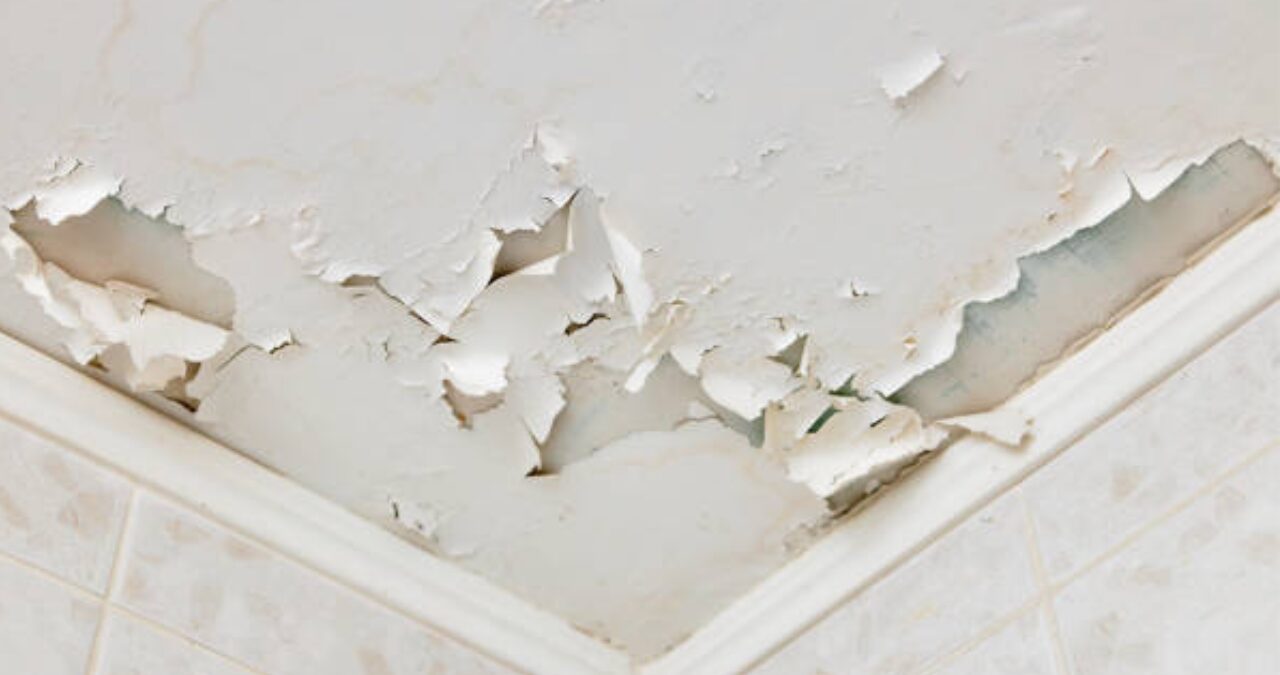
Paint failure happens when a coating loses adhesion, durability, or protective ability. In industrial and commercial settings, that usually shows up as blistering, peeling, cracking, or corrosion underneath the surface.
In humid climates, moisture is the main enemy. When water vapor gets trapped between the surface and the coating, it weakens the bond. Over time, that pressure forces the coating to separate. Once that happens, corrosion spreads fast — especially on structural steel and warehouse surfaces.
For facilities investing in industrial painting services, this isn’t cosmetic. It’s protection against long-term damage.
Why High Humidity Makes It Worse
In the Southeast, humidity levels regularly stay above 70%. Add fluctuating temperatures, heavy rainfall, and large open warehouse spaces, and you get daily condensation cycles.
Steel cools overnight. Moisture forms. Dock doors open. Warm air rushes in. Even when a surface looks dry, it may not be.
Many commercial painting companies underestimate this. Standard painting services may work fine in controlled environments, but industrial and warehouse painting in humid climates requires more discipline.
The Three Most Common Causes of Failure
Most paint failure in humid facilities traces back to three issues:
- Painting over moisture or ignoring dew point
- Inadequate surface preparation
- Using the wrong coating system
How to Prevent Paint Failure
Preventing failure starts before the first coat goes on. It requires planning and discipline.
First, test the environment daily. Humidity levels, surface temperature, and dew point should be monitored throughout the project. Conditions change quickly in Southern climates.
Second, invest in thorough surface preparation. Cutting prep time to save money almost always increases long-term costs. Corrosion doesn’t take shortcuts, and neither should your contractor.
Third, choose a coating system specifically designed for humid industrial conditions. A knowledgeable contractor will recommend products based on facility use, exposure levels, and maintenance goals.
Finally, control the environment during application whenever possible. This may involve temporary dehumidification, airflow management, or scheduling work during lower humidity periods.
Professional commercial painting contractors should explain their environmental control plan clearly. If they can’t, that’s a warning sign.
What Happens If You Ignore It?
Ignoring early paint failure leads to bigger problems. Corrosion spreads under the surface. Structural steel weakens. Floors become unsafe. Maintenance budgets increase.
For plant engineers and facility managers, this becomes a lifecycle cost issue. Reactive repairs cost far more than proactive protection.
That’s why choosing experienced industrial painting contractors is not just about price. It’s about risk management.
Paint failure in high-humidity environments isn’t bad luck. It’s usually a result of skipped steps or improper materials.
With the right surface preparation, environmental testing, and coating system, facilities across the Southeast can protect their assets for years. The key is working with commercial painting companies like Southeast Painters that understand Southern humidity. not just how to apply paint, but how to manage moisture.
If your next project involves industrial painting services or warehouse painting, plan for humidity before it becomes a problem.
