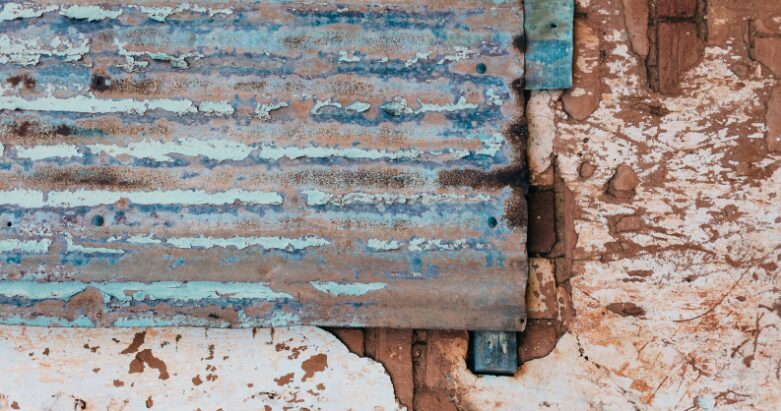
Steel is strong. It holds up bridges, warehouse frames, mezzanines, processing equipment, and industrial structures of every kind. But steel has a fundamental problem: it corrodes. Left unprotected, steel in a humid or chemical-heavy environment starts rusting within hours of exposure. In industrial settings, that process moves faster and costs more than most plant engineers expect until they see it firsthand.
Industrial painting services exist precisely to stop that process before it starts, and to arrest it when it has already begun. The right coating system, properly applied, extends the service life of structural steel by decades. The wrong one, or none at all, can reduce it to years. Here is how corrosion actually works on structural steel, and what industrial coatings do to prevent it.
What Is Happening When Structural Steel Corrodes?
Corrosion on steel is an electrochemical reaction. When steel is exposed to oxygen and moisture, iron atoms on the surface lose electrons and form iron oxide, which is rust. The reaction accelerates in the presence of chlorides (common in coastal or road-salt environments), acids, and elevated temperatures. In industrial facilities, the combination of humidity, process chemicals, and mechanical wear creates conditions where unprotected steel degrades quickly.
Corrosion costs the U.S. economy roughly $270 billion annually, with industrial infrastructure accounting for a significant share. For a single facility, a corroded structural beam that goes unaddressed does not just look bad. It compromises load capacity, triggers regulatory issues, and eventually requires costly replacement rather than surface treatment.
What Does an Industrial Coating System Actually Consist Of?
A proper protective coating system for structural steel is not a single coat of paint. It is a layered system with each layer doing a specific job.
Surface preparation is the foundation. Steel must be cleaned to bare metal or near-bare metal before any coating is applied. Sandblasting (or ecoblasting for environmentally sensitive areas) removes mill scale, rust, and any existing coating residue. The industry standard for this is a SSPC-SP 10 Near-White Metal Blast or SSPC-SP 6 Commercial Blast, depending on the environment the steel will be exposed to. No coating system performs well over a poorly prepared surface.
The primer coat is the first layer applied to clean steel. It bonds directly to the substrate and provides the core corrosion barrier. Zinc-rich primers are common for industrial structural steel because zinc acts as a sacrificial anode, corroding preferentially instead of the steel underneath. This is called cathodic protection.
The intermediate coat (sometimes called the midcoat) adds film thickness and improves overall barrier performance. Epoxy-based midcoats are standard in industrial environments. They provide chemical resistance and help the topcoat adhere properly.
The topcoat provides the final defense against UV degradation, abrasion, and chemical attack. In outdoor environments, polyurethane or aliphatic urethane topcoats are common because they resist UV yellowing and chalking better than epoxies. The topcoat is also where color and aesthetics come in, though in industrial settings, color is often functional (safety marking, equipment identification) rather than decorative.
What Types of Industrial Coatings Are Used on Structural Steel?
The coating selection depends on the environment, the exposure conditions, and the steel’s function. These are the coating types most commonly specified by industrial painting contractors.
Epoxy coatings
Epoxies are the workhorse of industrial protective coatings. They form a hard, chemically resistant film that bonds tightly to prepared steel. Two-part epoxies (a base and a hardener mixed on-site) are used for primers, midcoats, and in some cases topcoats. They resist water, fuels, mild acids, and most industrial chemicals. Their limitation is UV exposure: epoxies chalk and yellow over time in direct sunlight, which is why urethane topcoats are typically applied over them in outdoor applications.
Zinc-rich primers
Zinc-rich primers contain a high concentration of zinc dust (typically 65 to 95 percent by dry film weight). When the coating is damaged, zinc corrodes in place of the steel. This sacrificial protection mechanism is particularly valuable on structural steel in coastal environments, chemical processing plants, and anywhere mechanical damage to the coating is expected. Inorganic zinc primers require a near-white blast for proper adhesion and are among the most durable corrosion protection systems available.
Polyurethane topcoats
Aliphatic polyurethane topcoats offer excellent UV resistance, color retention, and abrasion resistance. They are the standard choice for structural steel on the exterior of buildings, bridges, and outdoor storage tanks. Two-component urethanes cure to a hard, glossy film that resists dirt pickup and is easy to clean. When appearance and long-term color stability matter alongside corrosion protection, urethane is the specification choice.
High-build coatings
In aggressive environments, achieving adequate total dry film thickness is important. High-build epoxies and other thick-film coatings allow contractors to apply greater film thickness per coat, reducing labor while achieving the protection level specified for the environment. These are common on structural steel in chemical plants, marine environments, and industrial processing areas.
Why Is Surface Preparation So Important for Steel Coatings?
Coating failure is preparation failure. A technically excellent coating system will peel, blister, and delaminate from poorly prepared steel within months. Surface preparation removes three things that cause failure: contamination (oils, salts, dirt), unstable existing coatings, and mill scale.
Mill scale is a particular issue on new steel. It forms during the hot-rolling process and looks like a uniform, dark gray layer. It is harder than steel itself, but it adheres poorly and traps moisture underneath it. Coatings applied over mill scale adhere to the mill scale, not the steel, and when the scale eventually breaks down, it takes the coating with it. Abrasive blasting removes mill scale and creates a surface profile (measured in mils) that gives the primer something to grip mechanically.
Southeast Painters uses sandblasting and ecoblasting methods to prepare steel surfaces before coating. Ecoblasting uses water or other media in place of traditional abrasives, making it suitable for environments where dust and debris need to be controlled. The method depends on the project conditions, but the standard is always the same: clean, profiled steel before the first coat goes on.
How Long Do Industrial Coating Systems Last on Structural Steel?
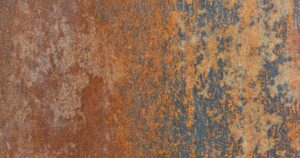
A properly specified and applied industrial coating system on structural steel typically lasts 15 to 25 years in moderate industrial environments. In severe environments (chemical plants, coastal facilities, high-humidity processing areas), 10 to 15 years is a more realistic expectation. These numbers assume proper surface preparation and application. Cut corners on prep or product specification and that lifespan shortens significantly.
Maintenance matters too. Spot-treating damaged areas before corrosion spreads extends the full system life. Many industrial painting contractors offer maintenance inspection programs that identify coating failures at the early stage when they are inexpensive to address, rather than waiting until structural remediation is required.
What Should You Look for in Industrial Painting Contractors for Steel Protection?
Not every painting contractor has the equipment, training, or experience to handle structural steel coating on industrial projects. Here is what separates the right contractor from the wrong one.
Specification familiarity. A qualified industrial contractor knows SSPC and NACE standards and can explain what grade of surface preparation they are specifying and why. If they cannot speak to this, they are not equipped for industrial work.
Equipment capability. Proper blasting and coating application requires industrial-grade equipment. Ask what blasting media they use, what spray equipment they run, and whether they are set up for elevated or confined-space work.
Product knowledge. The contractor should be able to recommend a specific coating system for your environment, cite the manufacturer, and explain the performance characteristics. Generic answers about “industrial paint” are a sign they lack real depth on the product side.
Safety compliance. Industrial painting work on structural steel often involves confined spaces, elevated surfaces, and hazardous materials. A contractor without documented safety protocols and training is a serious risk. Ask for their OSHA incident rate and safety program documentation.
If you are managing a facility with structural steel that needs assessment, coating, or maintenance planning, call us at 423.266.6615 to talk through your project.
